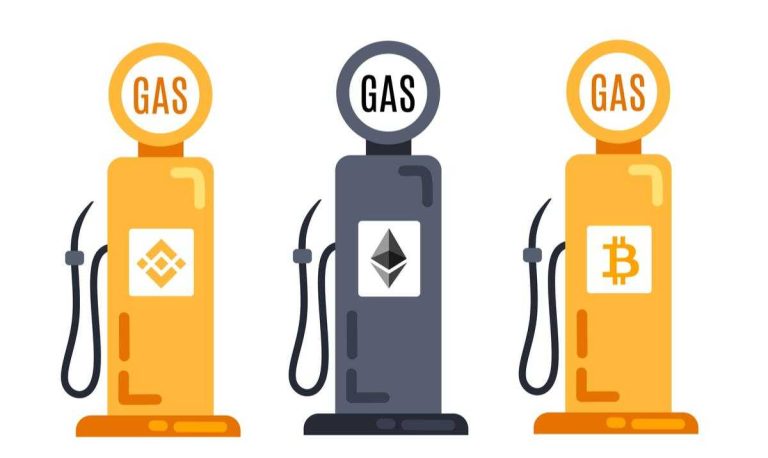
Ethereum introduced smart contracts and decentralized applications, but it came with a trade-off: slow transaction speeds and high fees during peak usage. As DeFi and NFTs exploded in popularity, users felt the pain of paying $50 or more for a single transaction. Enter Solana—a blockchain designed from the ground up for speed, scalability, and low costs.
Solana has emerged as one of the leading «Ethereum killers,» offering a platform where transactions cost fractions of a penny and blocks are produced in milliseconds. This guide explains what Solana is, how its unique technology works, and why it’s attracted a passionate community of developers and users.
The Scalability Problem
Before diving into Solana, it’s important to understand the problem it solves. Early blockchains like Bitcoin and Ethereum face a scalability trilemma—the challenge of achieving decentralization, security, and scalability simultaneously.
Ethereum processes about 15-30 transactions per second (TPS). When demand spikes, the network becomes congested, and users must bid against each other to have their transactions included. This results in high gas fees and slow confirmations. For applications like gaming, micropayments, or high-frequency trading, this is simply not workable.
Solana was designed to solve this by creating a blockchain that can scale to thousands of transactions per second without compromising decentralization or security.

What is Solana?
Solana is a open-source, decentralized blockchain platform that supports smart contracts and decentralized applications (dApps). It was created by Anatoly Yakovenko in 2017 and launched in 2020. The project’s native cryptocurrency is SOL, which is used for transaction fees, staking, and governance.
What sets Solana apart is its focus on performance. The network is capable of processing 65,000 transactions per second (theoretically) with sub-second finality, all while maintaining extremely low fees (typically less than $0.001 per transaction). To put that in perspective:
- Bitcoin: ~7 TPS
- Ethereum: ~15-30 TPS
- Visa: ~24,000 TPS (peak)
- Solana: ~65,000 TPS (theoretical peak)
These numbers make Solana one of the fastest blockchains in existence, capable of supporting real-world applications at scale.
The Secret Sauce: Proof-of-History (PoH)
Solana’s speed comes from a novel innovation called Proof-of-History (PoH). To understand why PoH is revolutionary, you need to understand a fundamental problem in distributed systems: time synchronization.
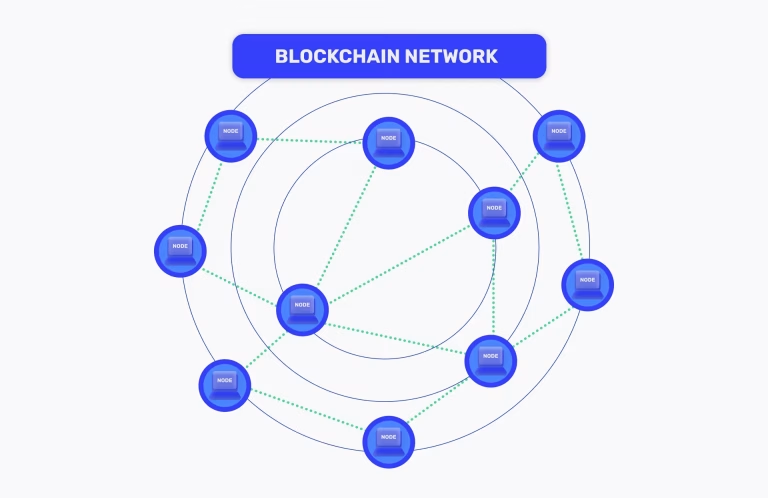
In most blockchains, nodes must communicate with each other to agree on the order of transactions. This requires frequent messaging and coordination, which slows things down. PoH solves this by creating a historical record that proves that an event occurred at a specific moment in time.
How Proof-of-History Works
Think of PoH as a cryptographic clock. It uses a verifiable delay function (VDF) to generate a sequence of hashes, where each hash depends on the previous one. This creates a timeline where you can prove that one transaction happened before another without needing to check with other nodes.
Here’s a simplified analogy:
- Imagine you’re taking photos of a race. Normally, you’d need a timestamp from a trusted clock to prove when each runner finished.
- With PoH, you take a photo of runner A, then a photo of runner B, but you also include the hash of runner A’s photo in runner B’s photo. This cryptographically links them, proving that A came before B without needing a timestamp.
By integrating PoH, Solana reduces the amount of communication needed between nodes. Each validator can process transactions independently, knowing they have a cryptographically verifiable order. This allows the network to achieve massive parallelism and speed.
Key Features of Solana
1. High Speed and Low Fees
Solana’s architecture enables thousands of transactions per second with fees that are consistently under a penny. This makes it viable for applications that would be impossible on slower, more expensive chains—like micropayments, gaming, and high-frequency trading.
2. Proof-of-Stake Consensus
Solana uses a Proof-of-Stake (PoS) consensus mechanism alongside PoH. Validators stake SOL tokens to participate in block production and earn rewards. The more SOL staked, the higher the chance of being selected to produce a block. This secures the network while being energy-efficient.
3. Tower BFT (Byzantine Fault Tolerance)
Solana implements a customized version of PBFT (Practical Byzantine Fault Tolerance) called Tower BFT. This leverages PoH as a global clock to reduce the overhead of consensus, allowing validators to reach agreement faster.
4. Gulf Stream
Gulf Stream is Solana’s mempool-less transaction forwarding protocol. In most blockchains, pending transactions sit in a «mempool» waiting to be included. Solana forwards transactions to validators before the current block is finished, reducing confirmation times and memory pressure.
5. Sealevel
Sealevel is Solana’s parallel smart contract runtime. While Ethereum processes transactions sequentially (one at a time), Solana can process thousands of transactions in parallel, utilizing the full power of modern multi-core processors. This is a key reason for its speed.
6. Cloudbreak
Cloudbreak is Solana’s horizontally scaled accounts database. It allows the network to read and write data efficiently across many storage devices, preventing bottlenecks.
The Solana Ecosystem
Since its launch, Solana has attracted a vibrant ecosystem of developers and projects. Here are the main categories:
DeFi on Solana
- Jupiter: The leading decentralized exchange (DEX) aggregator on Solana, handling billions in volume.
- Raydium: An automated market maker (AMM) built on Solana that provides liquidity to the ecosystem.
- Marinade Finance: A liquid staking protocol that allows users to stake SOL and receive staked SOL tokens (mSOL) that can be used elsewhere.
- Solend: A lending and borrowing protocol where users can earn interest on deposits or borrow against their crypto.
NFTs on Solana
Solana has become a major hub for NFTs, thanks to low fees and fast transactions. Artists and collectors flock to Solana because minting an NFT costs pennies instead of hundreds of dollars.
- Magic Eden: The largest NFT marketplace on Solana (and now multi-chain), known for its user-friendly interface.
- Tensor: A pro-trader NFT platform focused on advanced tools and analytics.
- Famous NFT Collections: Degenerate Ape Academy, Okay Bears, and Mad Lads have put Solana NFTs on the map.
Gaming on Solana
Solana’s speed makes it ideal for blockchain gaming, where fast, cheap transactions are essential.
- Star Atlas: A grand strategy game set in a futuristic space metaverse, built on Solana.
- Aurory: A JRPG-style game with play-to-earn mechanics.
- Genopets: A move-to-earn game where your real-world steps power your digital pet.
Infrastructure and Tools
- Phantom: The most popular Solana wallet, known for its beautiful design and seamless user experience.
- Solflare: Another leading wallet with staking and DeFi integration.
- Helium: A decentralized wireless network that migrated to Solana for better scalability.
- Hivemapper: A decentralized mapping network that rewards users with tokens for driving and capturing street-level imagery.
SOL: The Native Cryptocurrency
SOL is the lifeblood of the Solana network. It serves several purposes:
- Transaction Fees: All transactions on Solana are paid in SOL (or «rent» for storing data). Fees are burned, reducing supply over time.
- Staking: SOL holders can stake their tokens to help secure the network and earn rewards. Current staking yields are typically around 6-8% annually.
- Governance: SOL holders can participate in network governance, voting on proposals that shape Solana’s future.
- Unit of Account: SOL is used as the base currency within many Solana applications.
SOL has a maximum supply of approximately 489 million tokens, with an inflationary schedule that decreases over time. New SOL is created to reward validators and stakers.
Solana vs. Ethereum: Key Differences
| Feature | Solana | Ethereum |
|---|---|---|
| Consensus | Proof-of-Stake + Proof-of-History | Proof-of-Stake |
| Transaction Speed | ~65,000 TPS (peak) | ~15-30 TPS (L1), higher on L2s |
| Transaction Fee | ~$0.0002 (fractions of a penny) | Variable ($1-$50 depending on congestion) |
| Block Time | 400 milliseconds | ~12 seconds |
| Smart Contracts | Rust, C, C++ (compiled to BPF) | Solidity, Vyper (EVM) |
| Architecture | Single global state (monolithic) | Modular (L1 + L2 rollups) |
Challenges and Criticisms
Solana is not without its controversies and challenges.
1. Network Outages
Solana has experienced several high-profile network outages. The most notable was in September 2021 when the network went down for 17 hours due to a denial-of-service attack. Other outages have occurred due to bugs and network congestion. Critics argue that a blockchain that goes down isn’t truly decentralized. The Solana team has worked to address these issues with upgrades and improvements, and outages have become less frequent.
2. Centralization Concerns
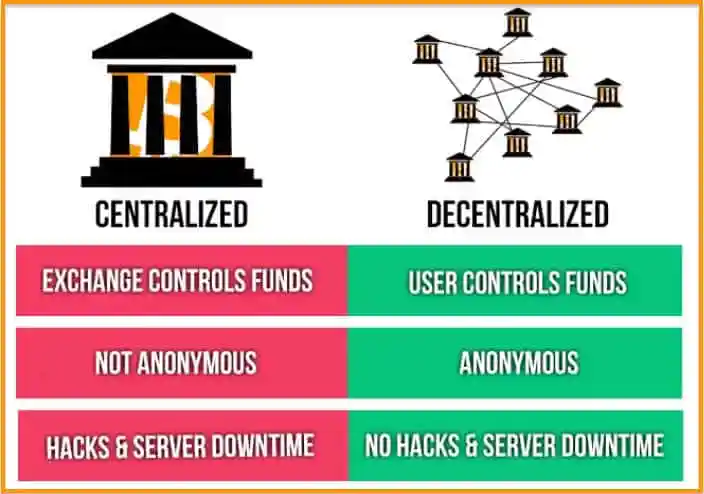
Because Solana prioritizes performance, its hardware requirements for validators are high. This leads to concerns that only well-funded entities can run validators, potentially centralizing the network. Solana has a «validator client» diversity program to encourage more participants, but the barrier is higher than on some other chains.
3. FTX Collapse Fallout
Solana had a close relationship with FTX and Alameda Research, both of which collapsed spectacularly in 2022. FTX held large amounts of SOL and was a major investor in the ecosystem. The collapse caused SOL’s price to plummet and created uncertainty. However, the ecosystem has shown resilience, continuing to build despite the setback.
4. Competition
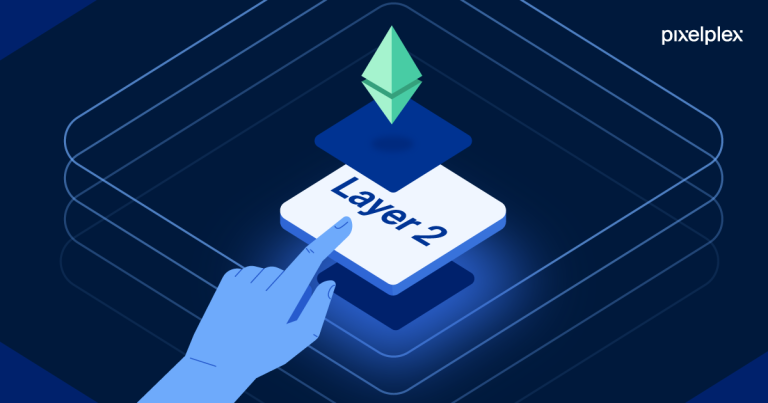
Solana faces intense competition from Ethereum (with its Layer 2 rollups), other L1s like Avalanche and Near, and upcoming chains. Maintaining its speed advantage while improving reliability is an ongoing challenge.
The Future of Solana
Despite challenges, Solana continues to evolve. Key developments to watch:
- Firedancer: A new validator client being developed by Jump Crypto, written in C++ for extreme performance. Firedancer aims to make Solana even faster and more reliable, potentially handling millions of TPS.
- State Compression: A technology that drastically reduces the cost of storing data on Solana, making it cheaper to mint NFTs and deploy applications.
- Token Extensions: New SPL token standards that enable advanced features like confidential transfers, transfer hooks, and more, making Solana attractive for institutional use.
- Saga Phone: Solana’s foray into mobile with the Saga Android phone, featuring a built-in dApp store and seed vault for secure key management.
Conclusion
Solana represents a distinct approach to blockchain design: prioritize performance and scalability from day one, even if it means making trade-offs in other areas. Its unique Proof-of-History mechanism, combined with parallel transaction processing, enables speeds that rival centralized systems while maintaining decentralization.
For users frustrated by high gas fees on Ethereum, Solana offers a viable alternative with a thriving ecosystem of DeFi, NFTs, and gaming applications. While it has faced growing pains—outages, centralization concerns, and the FTX fallout—the network continues to attract developers and users who value speed and low costs.
Whether Solana will ultimately challenge Ethereum’s dominance remains to be seen. But it has already carved out a significant niche as the high-performance blockchain for scalable applications.
Disclaimer: This article is for informational purposes only and does not constitute financial advice. Cryptocurrency investments carry risk. Always do your own research.