Cryptocurrency exchanges are the gateways to the digital asset world. They’re where you buy your first Bitcoin, trade altcoins, and connect to the broader blockchain ecosystem. But with hundreds of exchanges available, how do you choose the right one?
This guide examines the leading cryptocurrency exchanges that have established themselves as reliable, secure, and innovative platforms. Whether you’re a beginner looking for a simple way to buy crypto or an experienced trader seeking advanced features, there’s an exchange for you. We’ll cover Bybit, HTX, OKX, Gate.io, Bitget, Coinbase, and MEXC—along with a few others worth knowing.
What Makes a Good Cryptocurrency Exchange?
Before diving into specific platforms, it’s helpful to understand the criteria we’re using:
- Security: Has the exchange been hacked? What security measures are in place (2FA, cold storage, insurance)?
- Regulatory Compliance: Does the exchange follow regulations in its operating regions? Is it licensed?
- Liquidity: High liquidity means you can buy and sell easily without large price slippage.
- Fees: Trading fees, withdrawal fees, and deposit methods vary significantly.
- Available Assets: Does it offer the cryptocurrencies you want to trade?
- User Experience: Is the platform easy to use, especially for beginners?
- Features: Does it offer advanced trading, staking, lending, or other services?
- Customer Support: Can you get help when you need it?

1. Bybit: The Derivatives Powerhouse
Overview: Founded in 2018, Bybit has grown into one of the world’s leading cryptocurrency exchanges, particularly known for its derivatives trading. It has built a reputation for high-performance infrastructure, deep liquidity, and innovative products.
Key Features:
- Derivatives Focus: Bybit is renowned for its perpetual futures contracts, offering up to 100x leverage on major cryptocurrencies.
- Spot Trading: While derivatives are its strength, Bybit also offers a robust spot market with hundreds of trading pairs.
- Bybit Earn: Users can earn yield through staking, lending, and structured products.
- Web3 Wallet: Bybit offers a self-custodial Web3 wallet for interacting with DeFi and NFTs across multiple blockchains.
- Trading Bots: Automated trading strategies are available for users who want to automate their trading.
Security: Bybit uses cold storage for the majority of funds, multi-signature wallets, and maintains a Proof-of-Reserves system to verify assets are backed 1:1.
Fees: Spot trading fees start at 0.1% for makers and takers, with discounts for holding the exchange’s BIT token. Derivatives fees are even lower, typically 0.01% for makers and 0.06% for takers.
Best For: Experienced traders, derivatives enthusiasts, and users who want a reliable platform with high liquidity.
2. HTX (formerly Huobi): The Veteran Exchange
Overview: Huobi was founded in 2013 and rebranded to HTX in 2023. It’s one of the oldest and most established exchanges, with a strong presence in Asia and a global user base. The rebranding marked a new chapter focused on community and ecosystem growth.
Key Features:
- Extensive Asset Selection: HTX lists hundreds of cryptocurrencies, including many mid-cap and emerging projects.
- HTX Ventures: The exchange’s investment arm supports blockchain startups, giving users early access to new projects.
- Staking and Earn: Various yield-generating products are available, from simple staking to more complex structured products.
- PrimeVote: A community voting system where users can help decide which new projects get listed.
Security: HTX has a strong security track record, with most funds held in cold storage and regular security audits. The exchange also maintains a Secure Asset Fund for Users (SAFU) to protect against extreme situations.
Fees: Spot trading fees start at 0.2% for makers and takers, decreasing with higher trading volume and HTX token holdings.
Best For: Traders looking for a wide selection of altcoins and a trusted, long-standing platform.
3. OKX: The Global All-Rounder
Overview: OKX is one of the largest exchanges by trading volume, offering a comprehensive suite of products for traders of all levels. Founded in 2017, it has grown into a true global player with millions of users worldwide.
Key Features:
- Comprehensive Trading Options: Spot, margin, futures, perpetual swaps, and options—OKX has it all.
- OKX Web3 Wallet: A multi-chain, self-custodial wallet that supports 50+ blockchains, allowing users to access DeFi, NFTs, and dApps directly.
- Jumpstart: OKX’s launchpad for new projects, giving users early access to promising tokens.
- Trading Bots and Copy Trading: Automated strategies and the ability to follow successful traders.
- OKX Earn: A wide range of yield products including staking, lending, and DeFi integration.
Security: OKX uses multi-signature cold storage, Proof-of-Reserves (verified monthly), and advanced risk controls. It has never suffered a major security breach.
Fees: Spot fees start at 0.1% for both makers and takers, with significant discounts for holding OKB, the exchange’s native token.
Best For: Users who want a full-featured exchange with deep liquidity and access to DeFi through an integrated wallet.
4. Gate.io: The Altcoin King
Overview: Gate.io has been operating since 2013, making it one of the oldest exchanges still in existence. It’s famous (or infamous) for listing an enormous number of cryptocurrencies—often over 2,500 assets—including many small-cap and newly launched tokens.
Key Features:
- Massive Asset Selection: If a token exists, it’s probably on Gate.io. This makes it a go-to for traders looking for obscure altcoins.
- Gate Startup: One of the most active launchpads for new projects, often offering tokens at very early stages.
- Lending and Margin Trading: Users can lend their assets to earn interest or trade with leverage.
- Staking and Savings: Various passive income options are available.
- NFT Marketplace: Gate.io has its own NFT platform with various collections.
Security: Gate.io has a solid security record with most funds in cold storage. It also has a 100 million USD «Safe Fund» as insurance.
Fees: Spot trading starts at 0.2% for makers and takers, with discounts for holding the GT token. The fees can be higher than competitors, but the extensive asset selection often justifies it.
Best For: Altcoin hunters who want access to the widest possible range of cryptocurrencies, including very new projects.
5. Bitget: The Copy Trading Leader
Overview: Founded in 2018, Bitget has distinguished itself through a focus on social trading and copy trading. It has grown rapidly, particularly in Asia and Europe, and now serves over 20 million users.
Key Features:
- Copy Trading: Bitget’s flagship feature. You can browse successful traders, see their performance metrics, and automatically copy their trades. It’s like following a trader on eToro but for crypto.
- Spot and Derivatives: Full-featured trading with over 600 assets and various futures products.
- Bitget Wallet: A multi-chain wallet (formerly BitKeep) that supports 90+ blockchains and 250,000+ assets.
- Launchpad: Access to new projects through the Bitget Spotlight and Block Venture.
- Earn Products: Staking, savings, and other yield-generating options.
Security: Bitget maintains a 300 million USD Protection Fund and uses multi-signature cold storage. It has partnered with leading security firms for regular audits.
Fees: Spot trading fees start at 0.1% for makers and takers. Copy trading has additional fee structures, with profits shared between traders and followers.
Best For: Beginners who want to learn from experienced traders, and anyone interested in social trading features.
6. Coinbase: The Regulated On-Ramp
Overview: Coinbase is the largest US-based cryptocurrency exchange and the go-to platform for many beginners. Founded in 2012, it’s a publicly traded company (NASDAQ: COIN) and is known for its strong regulatory compliance and user-friendly interface.
Key Features:
- Beginner-Friendly: The interface is clean, simple, and designed for first-time buyers.
- Regulatory Compliance: Coinbase is licensed in the US and follows strict KYC/AML procedures. It’s considered one of the safest exchanges from a regulatory perspective.
- Coinbase Earn: Users can learn about new cryptocurrencies and earn small amounts for completing educational tasks.
- Staking: Support for staking several Proof-of-Stake assets directly through the platform.
- Coinbase Advanced Trade: A more sophisticated trading interface for experienced users (replacing Coinbase Pro).
- Institutional Services: Coinbase offers custody and trading services for institutions through Coinbase Prime.
Security: Coinbase is one of the most secure exchanges. It holds 98% of customer funds in cold storage, has crime insurance, and has never been hacked. As a public company, it undergoes regular financial audits.
Fees: Coinbase’s fees are higher than many competitors. The simple interface charges a spread plus a fee (often 1-3%). Advanced Trade has lower fees (starting at 0.4% for makers, 0.6% for takers), but still higher than most global exchanges.
Best For: US-based users, absolute beginners, and those who prioritize regulatory compliance over low fees.
7. MEXC: The Low-Fee Altcoin Hub
Overview: MEXC (formerly MXC) has gained popularity for its extremely low fees and wide selection of altcoins. It’s particularly favored by traders looking for new and smaller projects that aren’t listed on larger exchanges.
Key Features:
- Low Fees: MEXC is known for some of the lowest fees in the industry.
- Extensive Listings: Like Gate.io, MEXC lists a huge number of tokens, often including very new projects shortly after launch.
- MEXC Launchpad and Kickstarter: Opportunities to get early access to new tokens, often with airdrops and giveaways.
- ETF Products: MEXC offers leveraged ETF tokens that automatically rebalance, allowing for leveraged exposure without liquidation risk.
- Staking and Savings: Various passive income options.
Security: MEXC uses multi-signature cold storage and has a 200 million USD «Secure Asset Fund» for user protection. It has maintained a solid security record.
Fees: Spot trading fees are exceptionally low at 0% for makers and 0.05% for takers. This makes MEXC very attractive for active traders.
Best For: Active traders who want low fees and access to a wide range of altcoins, including new and emerging projects.
8. Binance: The 800-Pound Gorilla (Bonus)
Overview: No list of exchanges would be complete without mentioning Binance. It’s the world’s largest exchange by trading volume, offering the most comprehensive suite of products and the deepest liquidity.
Key Features:
- Unmatched Liquidity: Binance has the deepest order books, meaning less slippage for large trades.
- Vast Asset Selection: Hundreds of cryptocurrencies and trading pairs.
- Binance Earn: Extensive yield products including staking, lending, and DeFi.
- Binance Launchpad: One of the most popular launchpads for new projects.
- Binance Chain and Binance Smart Chain (BNB Chain): Binance operates its own blockchains, with BNB being one of the largest cryptocurrencies.
Regulatory Challenges: Binance has faced regulatory scrutiny in many countries, including the US, UK, and Japan. It has withdrawn from certain markets and faces ongoing legal challenges. Users should be aware of the regulatory status in their region.
Best For: Users outside restricted jurisdictions who want the widest range of features and deepest liquidity.
9. Kraken: The Security-Focused Veteran (Bonus)
Overview: Founded in 2011, Kraken is one of the oldest and most respected exchanges. It’s known for its strong security focus and regulatory compliance, particularly in the US and Europe.
Key Features:
- Strong Security: Kraken has never been hacked and is known for its rigorous security practices.
- Regulatory Compliance: Licensed in the US and many other jurisdictions.
- Futures and Margin: Advanced trading options for experienced users.
- Staking: Support for staking several Proof-of-Stake assets.
- Kraken Bank: The first crypto bank chartered in the US, offering traditional banking services integrated with crypto.
Best For: Users who prioritize security and regulatory compliance and are willing to accept a slightly less extensive asset selection.
How to Choose the Right Exchange for You
With so many options, here’s a decision framework:
If you’re a beginner:
Start with Coinbase. It’s the easiest to use, most regulated, and safest for your first purchases. Once you’re comfortable, you might explore other platforms for lower fees.
If you’re in the US:
Coinbase and Kraken are your safest bets. Some global exchanges (like Binance) may restrict US users. Bybit and OKX, while popular globally, have limited services for US residents.
If you’re an active trader:
Bybit, OKX, and Binance offer the best trading interfaces, deepest liquidity, and advanced features. MEXC is great for low fees and altcoin trading.
If you want to copy successful traders:
Bitget is the leader in copy trading, with a robust ecosystem of traders to follow.
If you want the widest selection of altcoins:
Gate.io and MEXC list the most assets, including many small-cap and newly launched tokens.
If you want to stake and earn yield:
Most exchanges offer staking, but OKX, Binance, and Coinbase have particularly robust earn programs.
Security Best Practices for Exchange Users
No matter which exchange you choose, follow these rules:
- Enable 2FA (Two-Factor Authentication): Use an authenticator app (like Google Authenticator or Authy), not SMS, which can be SIM-swapped.
- Use Strong Passwords: Unique to each exchange, stored in a password manager.
- Whitelist Withdrawal Addresses: Only allow withdrawals to addresses you’ve pre-approved.
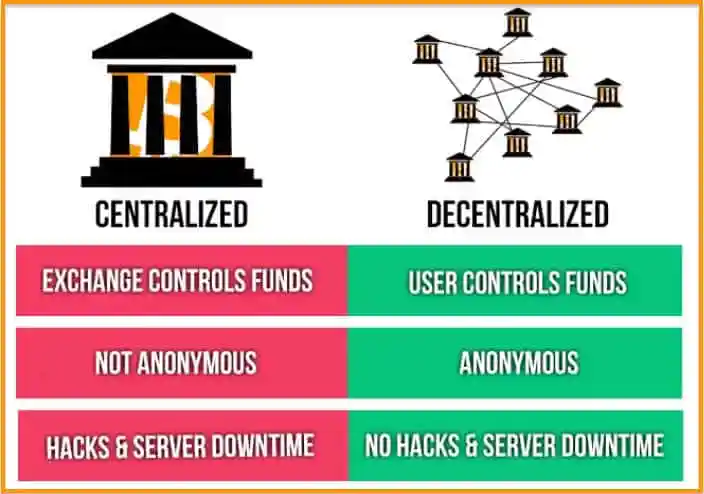
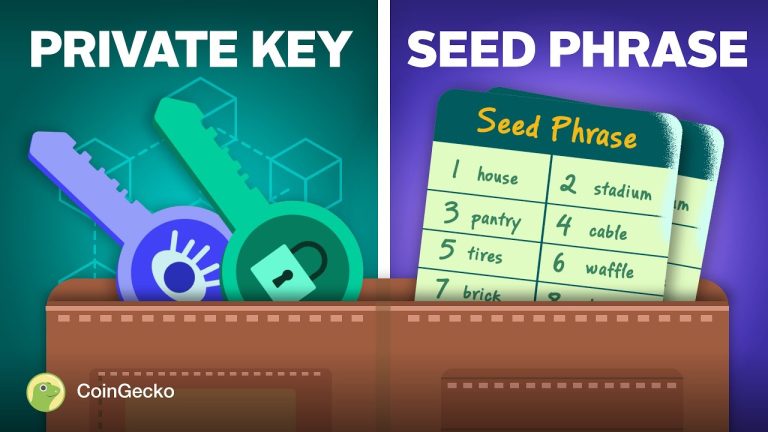
- Don’t Keep Funds on Exchanges: For long-term holdings, move them to a self-custodial wallet (especially a hardware wallet). Remember: «Not your keys, not your coins.»
- Beware of Phishing: Always double-check URLs before logging in. Bookmark the official site.
- Start Small: Test withdrawals and deposits with small amounts first.
Conclusion
The cryptocurrency exchange landscape offers something for everyone. From beginner-friendly regulated platforms like Coinbase to feature-rich global exchanges like Bybit and OKX, and altcoin havens like Gate.io and MEXC, the right choice depends on your needs, location, and experience level.
Remember that exchanges are tools—not banks. Use them to buy, trade, and access the crypto ecosystem, but for long-term storage, always transfer your assets to a wallet you control. The golden rule remains: not your keys, not your coins.
Disclaimer: This article is for informational purposes only and does not constitute financial advice. Cryptocurrency exchanges involve risk, including potential loss of funds. Always do your own research and consider your local regulations before using any exchange.