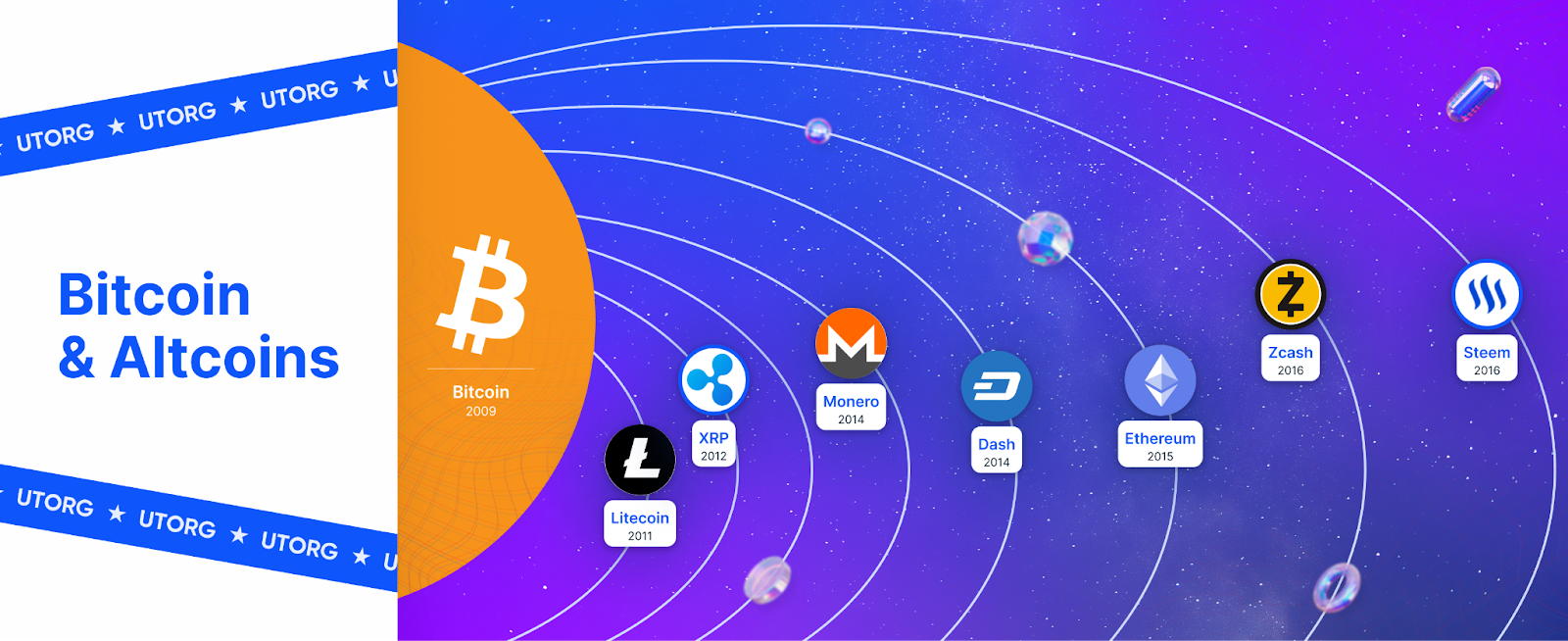
Bitcoin was the first cryptocurrency, and it remains the largest and most famous. But it’s far from the only one. Thousands of other cryptocurrencies exist, collectively known as altcoins—short for “alternative coins.”
Some altcoins aim to improve upon Bitcoin’s technology. Others serve entirely different purposes, from powering decentralized applications to enabling fast, cheap payments or even just for fun. This guide explores the diverse world of altcoins, their categories, and what makes them different from Bitcoin.
What Exactly is an Altcoin?
By definition, an altcoin is any cryptocurrency that is not Bitcoin. The term comes from “alternative” + “coin.” While Bitcoin was the first, everything that came after is an altcoin.
This includes:
- Major platforms like Ethereum and Solana
- Stablecoins like USDT and USDC
- Privacy coins like Monero
- Memecoins like Dogecoin
- Thousands of smaller, niche projects
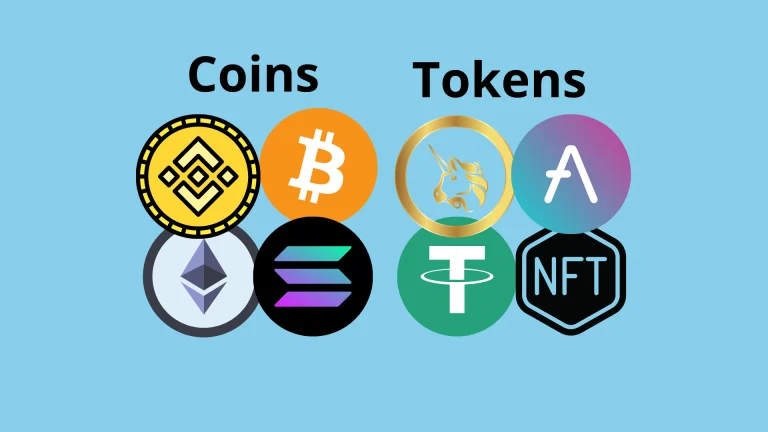
Some people also distinguish between “coins” (cryptocurrencies with their own blockchains, like Ethereum) and “tokens” (cryptocurrencies built on existing blockchains, like most DeFi tokens). But in common usage, they’re all altcoins.

Why Do Altcoins Exist?
Bitcoin was revolutionary, but it has limitations. Its scripting language is intentionally limited for security, transactions are relatively slow, and it can’t support complex applications. Altcoins emerged to address these limitations or to pursue entirely different visions.
Common reasons altcoins are created include:
- Technical Improvements: Faster transactions, different consensus mechanisms (like Proof-of-Stake), or greater scalability.
- Different Use Cases: Supporting smart contracts, enabling private transactions, or facilitating cross-border payments.
- Experimentation: Testing new ideas like governance models, tokenomics, or privacy features.
- Community and Culture: Some coins (like Dogecoin) start as jokes and develop passionate communities.
- Profit Motivation: Creating a new coin can be profitable for founders and early investors.
Major Categories of Altcoins
Altcoins can be grouped into several categories based on their purpose and design.
1. Platform Coins (Layer 1 Blockchains)
These are cryptocurrencies that power their own blockchain platforms, which can run decentralized applications (dApps) and smart contracts. Think of them as the operating systems of crypto.
Examples:
- Ethereum (ETH): The leading smart contract platform, with the largest ecosystem of dApps and DeFi.
- Solana (SOL): A high-performance blockchain known for fast transactions and low fees.
- Cardano (ADA): A research-driven platform focused on security and sustainability.
- Avalanche (AVAX): A platform with high throughput and subnets for customized blockchains.
- Near Protocol (NEAR): A user-friendly platform with a focus on usability and sharding.
- Polkadot (DOT): A multi-chain network that enables different blockchains to interoperate.
Purpose: To provide infrastructure for other applications and tokens.
2. Stablecoins
Stablecoins are cryptocurrencies designed to maintain a stable value, usually pegged 1:1 to a fiat currency like the US dollar. They combine the benefits of crypto (speed, low cost, global accessibility) with price stability.
Examples:
- Tether (USDT): The largest stablecoin, though its backing has faced scrutiny.
- USD Coin (USDC): A regulated, transparent stablecoin from Circle and Coinbase.
- DAI: A decentralized stablecoin backed by crypto collateral.
Purpose: To provide a stable medium of exchange and store of value within crypto.
3. DeFi Tokens
These are tokens associated with decentralized finance protocols. They often serve as governance tokens, giving holders voting rights on protocol decisions, and may also be used for staking or fee discounts.
Examples:
- Uniswap (UNI): Governance token for the leading DEX.
- Aave (AAVE): Token for the lending protocol.
- Chainlink (LINK): Used to pay for oracle services and stake by node operators.
- Maker (MKR): Governance token for the DAI stablecoin system.
Purpose: To govern and participate in DeFi protocols.
4. Memecoins
Memecoins are cryptocurrencies inspired by internet memes or jokes. They often have little to no fundamental utility and are driven by community enthusiasm, social media hype, and speculation.
Examples:
- Dogecoin (DOGE): The original memecoin, created as a joke in 2013 but now with a massive following.
- Shiba Inu (SHIB): An Ethereum-based token that branded itself the “Dogecoin killer.”
- Pepe (PEPE): A memecoin based on the Pepe the Frog meme.
Purpose: Primarily community and speculation. Highly volatile and risky.
5. Privacy Coins
Privacy coins focus on providing anonymous transactions. While Bitcoin transactions are pseudonymous (traceable to addresses), privacy coins use cryptographic techniques to hide sender, receiver, and amount.
Examples:
- Monero (XMR): The leading privacy coin, using ring signatures and stealth addresses to obscure transaction details.
- Zcash (ZEC): Offers optional privacy through zero-knowledge proofs.
Purpose: Financial privacy and fungibility.
6. Exchange Tokens
These are tokens issued by cryptocurrency exchanges. They often provide benefits like discounted trading fees, access to launchpad sales, and staking rewards.
Examples:
- Binance Coin (BNB): Originally an exchange token, now the native currency of the BNB Chain ecosystem.
- OKB (OKX): Token of the OKX exchange.
- GT (Gate.io): Token of the Gate.io exchange.
- BIT (Bitget): Token of the Bitget exchange.
Purpose: To enhance the exchange ecosystem and reward users.
7. Payment and Utility Coins
These coins focus on being used as digital cash or for specific utility within a project.
Examples:
- Litecoin (LTC): One of the earliest altcoins, designed for faster payments than Bitcoin.
- XRP (Ripple): Focused on fast, low-cost cross-border payments for financial institutions.
- Stellar (XLM): Similar to XRP but focused on individual users and remittances.
Purpose: Efficient value transfer.
8. Governance Tokens
These tokens grant holders the right to vote on decisions affecting a protocol. They’re a key part of DAOs (Decentralized Autonomous Organizations).
Examples: Many DeFi tokens (UNI, AAVE, MKR) are also governance tokens.
Altcoins vs. Bitcoin: Key Differences
| Feature | Bitcoin (BTC) | Typical Altcoins |
|---|---|---|
| Primary Purpose | Digital gold, store of value, peer-to-peer cash | Varies widely (smart contracts, payments, privacy, etc.) |
| Consensus | Proof-of-Work (PoW) | Often Proof-of-Stake (PoS) or other mechanisms |
| Transaction Speed | ~7 TPS, slow | Often faster (15-65,000 TPS depending on project) |
| Programming | Limited scripting | Often Turing-complete (smart contracts) |
| Supply | Capped at 21 million | Varies (fixed, inflationary, deflationary) |
| Development Philosophy | Conservative, slow to change | Often faster innovation, higher risk |
| Market Position | Largest, most established | Smaller, more volatile |
The Risks of Altcoins
While altcoins offer opportunities, they also come with significant risks beyond those of Bitcoin.
1. Higher Volatility
Altcoins tend to be more volatile than Bitcoin. During market downturns, they often fall harder and faster. During upswings, they can outperform—but the risk is greater.
2. Lower Liquidity
Many altcoins have low trading volume, meaning large buys or sells can significantly move the price (slippage). You might not be able to sell at your desired price.
3. Scams and Rug Pulls
The barrier to creating a new token is low. Scammers create projects, hype them up, and then disappear with investors’ money (a “rug pull”). Always research thoroughly.
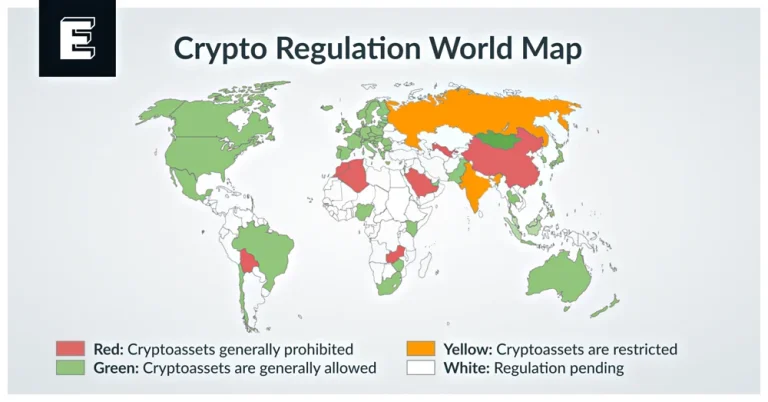
4. Regulatory Uncertainty
Many altcoins face uncertain regulatory status. The SEC has classified some as securities, leading to legal battles (like with XRP). Future regulations could impact altcoin prices and availability.
5. Technology Risk
Newer projects may have bugs, vulnerabilities, or simply fail to deliver on their promises. Smart contract hacks are common.
6. Competition
The altcoin space is crowded. Even a promising project can be overtaken by a competitor with better technology, marketing, or community.
How to Evaluate Altcoins
If you’re considering altcoins, here’s what to look at:
1. The Team and Community
Who is behind the project? Do they have relevant experience? Is there an active, engaged community? Check GitHub for development activity.
2. The Whitepaper and Roadmap
What problem does it solve? Is the technology sound? Does the roadmap show realistic milestones?
3. Tokenomics
What’s the total supply? How are new tokens created? Is there inflation or deflation? How are tokens distributed? Be wary of projects where insiders hold a large percentage.
4. Use Case and Adoption
Is anyone actually using it? Are there real partnerships or integrations? Look at on-chain metrics (active addresses, transaction count) if available.
5. Market Cap and Liquidity
A low market cap means higher risk but potentially higher reward. Check trading volume to ensure you can buy and sell easily.
The Altcoin Market Cycle
The crypto market tends to move in cycles, often correlated with Bitcoin’s halving events. During “altcoin seasons,” altcoins can outperform Bitcoin dramatically. During “crypto winters,” many altcoins fail and disappear.
A common pattern: Bitcoin rises first, then money flows into Ethereum, then into large-cap altcoins, and finally into small-cap and memecoins. Understanding these cycles can help with timing, but it’s notoriously difficult to predict.
Should You Invest in Altcoins?
There’s no one-size-fits-all answer. Consider your own situation:
Reasons to consider altcoins:
- Diversification beyond Bitcoin
- Exposure to different technologies and use cases
- Potential for higher returns (with higher risk)
- Interest in specific projects or communities
Reasons to stick with Bitcoin (or be cautious):
- Bitcoin has the longest track record and strongest security
- Altcoins are riskier and more volatile
- Many altcoins will fail over the long term
- Regulatory uncertainty is greater for altcoins
A common approach is to have Bitcoin as a core holding and allocate a smaller portion to a diversified basket of altcoins you believe in. Never invest more than you can afford to lose.
Conclusion
Altcoins represent the vast, diverse, and rapidly evolving world of cryptocurrencies beyond Bitcoin. From smart contract platforms like Ethereum to stablecoins, DeFi tokens, and even memecoins, each category serves different purposes and carries different risks.
While Bitcoin remains the foundation of the crypto ecosystem, altcoins drive much of the innovation—and much of the speculation. Understanding what they are, how they differ, and the risks involved is essential for anyone looking to explore beyond Bitcoin.
Disclaimer: This article is for informational purposes only and does not constitute financial advice. Altcoin investments are highly speculative and risky. Always do your own research.