Imagine waking up to find free money in your cryptocurrency wallet. That’s the promise of a crypto airdrop—a marketing strategy where blockchain projects distribute free tokens to users, often with no cost or effort required.
Airdrops have created life-changing windfalls for some recipients. The Uniswap airdrop in 2020 gave thousands of users $1,000+ worth of UNI tokens. The Arbitrum airdrop in 2023 distributed billions of dollars worth of ARB tokens to early users. But not all airdrops are created equal, and the space is full of scams.
This guide explains what airdrops are, why projects do them, the different types, and how to participate safely.
What is a Crypto Airdrop?
A crypto airdrop is a distribution of free tokens or coins to multiple wallet addresses. Projects use airdrops as a marketing tool to bootstrap their community, reward early users, or decentralize token ownership.
Think of it like a company giving away free samples of a new product. The goal is to get people interested, create buzz, and build a user base. In crypto, airdrops also serve to distribute governance power to the community rather than concentrating it with founders and investors.
Airdrops can range from a few dollars worth of tokens to life-changing amounts. Some of the most famous airdrops:
- Uniswap (UNI): 400 UNI tokens to anyone who had used the protocol before a certain date. Worth over $1,000 at launch, peaked much higher.
- dYdX: Distributed tokens to early traders, with some users receiving six-figure sums.
- Arbitrum (ARB): One of the largest airdrops, distributing over $1 billion to early ecosystem participants.
- ENS (Ethereum Name Service): Airdropped to anyone who had registered an ENS domain, with some receiving thousands of dollars.
- Aptos (APT): Airdropped to early testnet participants and community members.

Why Do Projects Do Airdrops?
Giving away free money might seem counterintuitive, but airdrops serve several strategic purposes:
1. Bootstrapping a Community
A new project needs users. By distributing tokens to a large number of wallets, they instantly create a community of token holders who are financially invested in the project’s success. These holders are likely to use the product, participate in governance, and spread the word.
2. Decentralizing Governance
Many projects, especially in DeFi, are governed by token holders. If tokens are concentrated among founders and VCs, the project isn’t truly decentralized. Airdrops spread tokens to a wide user base, distributing voting power and making the project more resistant to censorship or control.
3. Rewarding Early Users
Airdrops are a way to say “thank you” to early adopters who used the product, provided feedback, or helped build the community. This creates loyalty and encourages continued participation.
4. Creating Buzz and Marketing
The prospect of free money generates attention. Airdrops are covered by crypto media, discussed on social media, and shared in communities. This free marketing can be more effective than paid advertising.
5. Avoiding Securities Regulations
In some jurisdictions, if a project sells tokens to the public, those tokens might be considered securities, subject to complex regulations. By airdropping tokens for free, projects may argue they’re not conducting a securities offering (though this is a legal gray area).
Types of Airdrops
Not all airdrops work the same way. Here are the most common types:
1. Holder/Snapshot Airdrops
The project takes a “snapshot” of the blockchain at a specific block and distributes tokens to wallets holding a certain cryptocurrency (like Ethereum) or a specific token. For example, a project might airdrop to everyone holding at least 1 ETH at block 15,000,000.
Example: Stellar (XLM) airdropped to Bitcoin holders in 2019.
2. User/Retroactive Airdrops
These reward users who have interacted with a protocol before a certain date. The project tracks on-chain activity—trades, liquidity provision, governance participation—and distributes tokens proportionally to usage. This is the most common type for DeFi protocols.
Examples: Uniswap, Arbitrum, Optimism, dYdX.
3. Task-Based Airdrops
Users must complete specific tasks to qualify. These might include following the project on Twitter, joining their Discord, retweeting posts, or signing up for a newsletter. Sometimes tasks also require on-chain actions like using a testnet or making a small transaction.
Examples: Many new projects use this to build social media following, but beware—this type is also common in scams.
4. Hard Fork Airdrops
When a blockchain splits (hard fork), holders of the original chain receive an equal amount of the new chain’s tokens. For example, when Bitcoin Cash forked from Bitcoin, BTC holders received BCH at a 1:1 ratio.
Examples: Bitcoin Cash, Bitcoin SV, Ethereum Classic (from the DAO fork).
5. Exclusive/NFT-Based Airdrops
Holders of certain NFTs may receive token airdrops. This rewards loyal community members and can add utility to the NFT collection.
Examples: Bored Ape Yacht Club holders received ape-themed tokens, Mutant Ape Yacht Club, and other benefits.
How to Find Airdrops
The crypto community is always hunting for the next big airdrop. Here’s how to stay informed:
1. Follow Crypto Media and Influencers
Websites like CoinDesk, The Block, and crypto Twitter are where airdrops are often announced. Influencers like @hsaka and @defi_mochi are known for sharing airdrop opportunities.
2. Join Project Discords and Telegram Groups
Many projects announce airdrops to their communities first. Being active in these channels can give you early access.
3. Use Airdrop Tracking Sites
- AirDropAlert – One of the oldest airdrop trackers.
- CoinMarketCap Airdrops – Lists ongoing and upcoming airdrops.
- Earnifi – Notifies you if your wallet is eligible for an airdrop.
- DefiLlama Airdrops – Tracks potential airdrops from DeFi protocols.
4. Monitor On-Chain Activity
Tools like Dune Analytics allow users to create dashboards tracking potential airdrop criteria. You can see which protocols are rumored to airdrop and what activities might qualify.
How to Qualify for Airdrops
If you want to position yourself for future airdrops, here are common strategies:
1. Use Protocols Early and Often
Many airdrops reward early adopters. Use new DeFi protocols, DEXs, and L2s. The more you use them (transactions, liquidity provision, borrowing/lending), the more likely you are to qualify.
2. Be Active on Testnets
Some projects airdrop to testnet users who help find bugs and provide feedback. This is common for new L1s and L2s. For example, Aptos and Sui airdropped to testnet participants.
3. Hold Governance Tokens
Some projects airdrop to holders of related governance tokens. For instance, holding UNI might make you eligible for airdrops from protocols built on Uniswap.
4. Provide Liquidity
Liquidity providers are often rewarded. If you provide liquidity to a protocol, you’re contributing to its success, and you may be rewarded when they tokenize.
5. Participate in Governance
Voting on proposals shows you’re an engaged community member. Some airdrops weight rewards based on governance participation.
6. Avoid Sybil Attacks
Don’t create hundreds of wallets to farm airdrops. Projects have become sophisticated at detecting “sybil” behavior (one person controlling many wallets) and often exclude them. Focus on legitimate activity from a few wallets.
The Risks: Airdrop Scams
Where there’s free money, there are scammers. Airdrop scams are extremely common. Protect yourself:
1. Never Pay to Claim an Airdrop
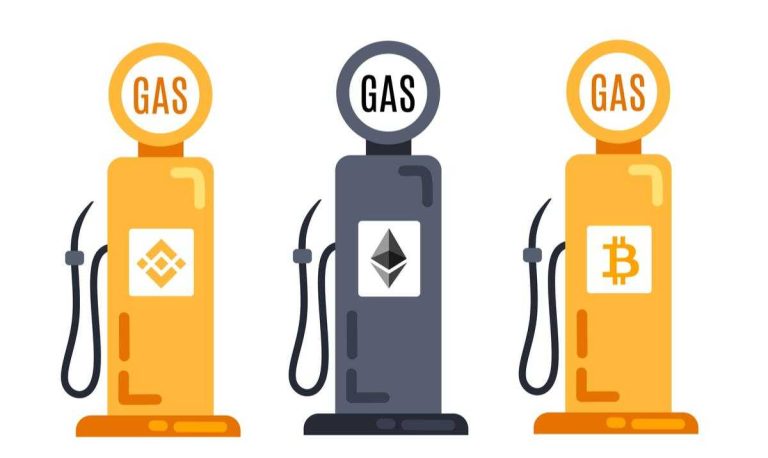
Legitimate airdrops do not require you to send money to claim tokens. If a message says you need to send ETH to “cover gas fees” or “activate” the airdrop, it’s a scam. You pay gas fees through your wallet, not by sending to a contract.
2. Never Share Your Private Key or Seed Phrase
No legitimate airdrop will ever ask for your private key or seed phrase. Anyone who does is trying to steal your funds.
3. Beware of Phishing Sites
Scammers create fake websites that look like official airdrop claim sites. They’ll ask you to connect your wallet and sign a transaction that drains your funds. Always double-check URLs. Bookmark official sites.
4. Don’t Connect Your Wallet to Unknown Sites
If you’re unsure about an airdrop, don’t connect your main wallet. Use a burner wallet with minimal funds to test.
5. Verify Through Official Channels
Before claiming any airdrop, check the project’s official Twitter, Discord, or website. Scammers often create fake accounts announcing “airdrops” to lure victims.
6. Be Skeptical of DMs
If someone DMs you on Twitter or Discord about an airdrop, it’s almost certainly a scam. Projects don’t reach out to individuals directly.
Tax Implications of Airdrops
In many countries, airdrops are taxable events. The rules vary by jurisdiction:
- US (IRS): Airdrops are generally treated as ordinary income at the fair market value when received. If the tokens later increase in value, that’s capital gains. You need to track the value at receipt and when you sell.
- UK (HMRC): Similar treatment—income tax on receipt, capital gains on disposal.
- Other countries: Varies widely. Consult a tax professional familiar with crypto.
This creates a challenge: if you receive an airdrop worth $10,000 but the tokens are locked or illiquid, you may owe tax without having the means to pay. Some jurisdictions have exceptions, but it’s complex.
Famous Airdrops in Crypto History
| Project | Token | Year | Notable Details |
|---|---|---|---|
| Uniswap | UNI | 2020 | 400 UNI to every user who had used the protocol. Worth over $1,000 at launch. |
| Arbitrum | ARB | 2023 | Over $1 billion distributed to early ecosystem users. |
| ENS | ENS | 2021 | Airdropped to anyone who had registered an ENS domain. |
| dYdX | DYDX | 2021 | Rewarded early traders; some received six-figure sums. |
| 1inch | 1INCH | 2020 | Distributed to users who traded on the platform before a certain date. |
| Stellar | XLM | 2019 | Airdropped to Bitcoin holders (though required KYC). |
Potential Future Airdrops
The crypto community is always speculating about who might airdrop next. Some frequently mentioned projects (not financial advice—DYOR):
- Layer 2s: zkSync, StarkNet, Scroll, Linea (all have hinted at future tokens)
- DeFi Protocols: EigenLayer (restaking), Kelp DAO, Ether.fi
- Infrastructure: Berachain, Monad, Aleo
To potentially qualify, interact with these protocols: use their testnets (if available), provide liquidity, borrow/lend, or simply hold related assets.
Conclusion
Crypto airdrops are a unique phenomenon in the blockchain world—a way for projects to distribute ownership, reward early users, and build communities. For users, they offer the chance to receive valuable tokens, sometimes with life-changing amounts.
But airdrops aren’t free money with no strings attached. They come with tax implications, and the hunt for airdrops is full of scams. Always prioritize security: never share private keys, never pay to claim, and always verify through official channels.
Whether you’re a casual user or an airdrop hunter, understanding how airdrops work helps you navigate this exciting corner of crypto—and maybe, just maybe, wake up to free money in your wallet one day.
Disclaimer: This article is for informational purposes only and does not constitute financial advice. Airdrops involve risk, and tax treatment varies by jurisdiction. Always do your own research.