If you’re new to the world of cryptocurrency, one of the first things you’ll hear about is the need for a “wallet.” But unlike a physical wallet that holds paper money and plastic cards, a crypto wallet doesn’t actually store your coins. This is one of the most common misconceptions for beginners. In this guide, we’ll explain exactly what a cryptocurrency wallet is, how it works, the different types available, and most importantly, how to keep your digital assets safe.
The Big Misconception: Wallets Don’t Store Coins
Let’s start with a fundamental truth: Your cryptocurrency never leaves the blockchain. When you buy Bitcoin or Ethereum, the record of that transaction exists on the blockchain—a public, distributed ledger. So, where does the wallet come in?
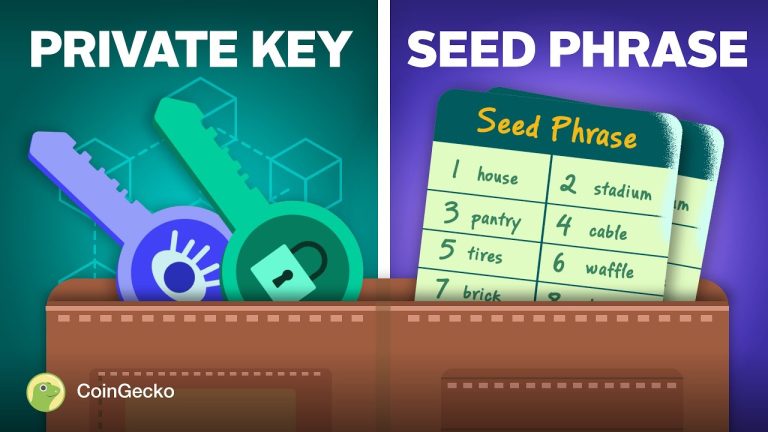
A cryptocurrency wallet stores your private keys. Think of the blockchain as a massive vault with thousands of safe deposit boxes. Each box has a unique number (your public address) and can only be opened with a specific key (your private key).
- Public Address (like your bank account number): You give this to people so they can send you cryptocurrency.
- Private Key (like your PIN or password): This proves you own the funds and allows you to send them to others. You must keep this secret.
Your wallet is simply a tool to manage these keys. It allows you to see your balance (by looking at the blockchain), receive funds (by sharing your public address), and send funds (by signing transactions with your private key).

How Does a Crypto Wallet Work?
When you send cryptocurrency to someone, you’re not actually moving coins from point A to point B. Instead, you’re using your private key to sign a transaction on the blockchain, transferring ownership of the coins to someone else’s public address.
Here’s a simple step-by-step:
- You open your wallet app and enter the recipient’s address and the amount you want to send.
- The wallet uses your private key to sign the transaction, proving you own the funds.
- The signed transaction is broadcast to the network.
- Miners or validators verify the transaction and add it to a new block.
- The blockchain updates to show that the coins now belong to the recipient’s address.
Your wallet then shows an updated balance because it checks the blockchain and sees that your address now holds fewer coins. The coins themselves never “left” the blockchain—ownership just changed hands.
The Most Important Rule: Not Your Keys, Not Your Coins
This is the golden rule of cryptocurrency. If you don’t hold your private keys, you don’t truly own your crypto. When you leave funds on an exchange like Coinbase, Bybit, or Binance, the exchange holds the private keys. They have custody of your coins. In effect, you own an IOU from the exchange.
Exchanges can be hacked, they can freeze accounts, or they can go bankrupt (as we’ve seen with FTX). If you want true ownership and control over your assets, you need to move them to a wallet where you control the private keys.
Types of Cryptocurrency Wallets
Crypto wallets fall into two main categories: hot wallets and cold wallets. The difference comes down to whether the private keys are stored on an internet-connected device.
Hot Wallets (Connected to the Internet)
Hot wallets are software programs that are connected to the internet. They are convenient and easy to use, making them ideal for small amounts and frequent transactions. However, because they are online, they are more vulnerable to hacks.
Types of Hot Wallets:
1. Mobile Wallets
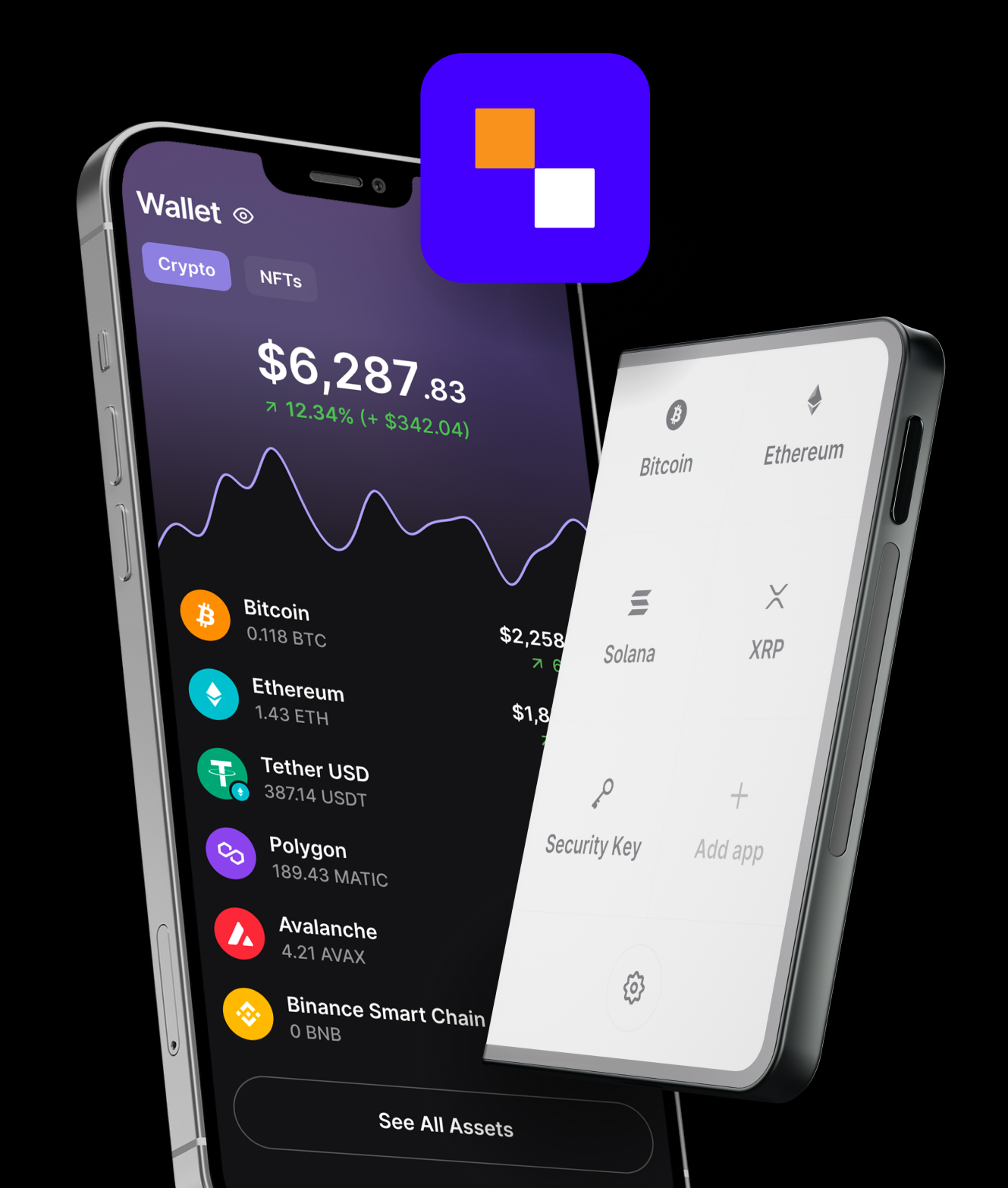
Apps on your smartphone. Great for everyday use and payments. Examples include Trust Wallet, MetaMask (mobile version), and Coinbase Wallet.
2. Desktop Wallets
Software you download and install on your computer. They are more secure than mobile wallets if your computer is clean of malware. Examples include Exodus and Electrum (for Bitcoin).
3. Web Wallets
Accessed through a browser. These are convenient but the most risky, as your private keys may be stored online. Exchange wallets (like the one on Bybit or Coinbase) are web wallets—but remember, in that case, the exchange holds your keys, not you.
4. Browser Extension Wallets
Extensions like MetaMask or Phantom connect to your browser and allow you to interact with decentralized applications (dApps). These are essential for using DeFi and NFT marketplaces.
Cold Wallets (Offline Storage)
Cold wallets store your private keys offline, completely disconnected from the internet. This makes them virtually immune to online hacking attempts. They are ideal for storing larger amounts of cryptocurrency that you don’t need to access frequently—think of them as a savings account or a safe in your basement.
Types of Cold Wallets:
1. Hardware Wallets
Physical devices (like USB sticks) that generate and store private keys offline. When you want to make a transaction, you connect the device to a computer, sign the transaction on the device itself (the private key never leaves the device), and then broadcast it. Leading brands include Ledger, Trezor, and KeepKey.
2. Paper Wallets
A piece of paper with your public address and private key printed on it (usually as QR codes). While extremely secure from online threats, paper wallets are fragile (can be lost, burned, or damaged) and less convenient to use. They are considered outdated by most experts now.
What is a Seed Phrase? (The Master Key)
When you set up a self-custodial wallet (where you control the keys), you’ll be given a seed phrase—usually 12, 18, or 24 random words in a specific order (e.g., “sunny orange dog bridge …”).
This seed phrase is the master key to your entire wallet. It can generate all your private keys and, therefore, access all your funds. If someone gets your seed phrase, they can steal everything. If you lose your seed phrase, you lose access to your funds forever—no customer support can help you recover it.
⚠️ CRITICAL RULES FOR YOUR SEED PHRASE:
1. Write it down on paper. Do not store it digitally (no screenshots, no photos, no text files, no cloud storage).
2. Store it securely. Consider a fireproof safe or a safety deposit box.
3. Never share it. No legitimate service will ever ask for your seed phrase. Anyone who does is a scammer.
Hot Wallets vs. Cold Wallets: Which Should You Choose?
The answer isn’t one or the other—most crypto users use both, in a strategy sometimes called “layered security.”
| Feature | Hot Wallet | Cold Wallet |
|---|---|---|
| Internet Connection | Connected | Offline |
| Security | Lower (vulnerable to hacks) | Very High |
| Convenience | High (fast transactions) | Low (requires connecting device) |
| Best For | Small amounts, daily spending, dApps | Long-term storage, large amounts |
| Examples | MetaMask, Trust Wallet, Phantom | Ledger, Trezor, Paper Wallet |
Recommended Approach:
- Keep small amounts (what you’re willing to lose or spend) in a hot wallet for convenience.
- Store the majority of your savings in a cold wallet (hardware wallet).
- Never keep large amounts on exchanges for extended periods.
How to Choose a Wallet
With hundreds of wallets available, here are factors to consider:
- Security: Look for wallets with a strong reputation, open-source code (so it can be audited), and non-custodial control (you hold your keys).
- Supported Assets: Does it support Bitcoin, Ethereum, and the specific altcoins you own?
- Platform: Do you need mobile, desktop, or browser extension?
- User Experience: Is the interface intuitive?
- Community and Reputation: Research reviews and check for any history of hacks.
Popular wallet recommendations:
- Best for beginners (Ethereum and altcoins): MetaMask (browser extension and mobile)
- Best for multi-chain (multiple blockchains): Trust Wallet or Exodus
- Best for Solana: Phantom
- Best hardware wallets: Ledger Nano X/S, Trezor Model T
- Best Bitcoin-only hardware wallet: Coldcard
Common Wallet Mistakes to Avoid
- Storing your seed phrase digitally: No photos, no cloud, no notes app.
- Sharing your private key or seed phrase: Never, with anyone.
- Forgetting your PIN or password: Without it, and without your seed phrase backup, your funds are gone.
- Using unknown or “too good to be true” wallets: Scammers create fake wallets to steal your keys. Stick to well-known, reputable options.
- Sending crypto to the wrong address: Always double-check addresses. Transactions are irreversible.
- Not testing with a small amount first: When setting up a new wallet or sending to a new address, send a tiny test transaction first.
Conclusion
A cryptocurrency wallet is your gateway to the world of digital assets. It doesn’t store your coins—it stores the keys that prove you own them. Understanding the difference between hot and cold wallets, and the critical importance of your seed phrase, is essential for anyone serious about crypto.
Remember the golden rule: Not your keys, not your coins. If you want true ownership and control over your cryptocurrency, moving it to a wallet where you hold the private keys is one of the most important steps you can take.
Disclaimer: This article is for informational purposes only and does not constitute financial advice. Always do your own research before choosing a wallet or managing your cryptocurrency.