Cryptocurrencies like Bitcoin and Ethereum are known for their volatility. Prices can swing 10%, 20%, or even more in a single day. While this volatility creates trading opportunities, it also makes crypto impractical for everyday use. Who wants to buy a coffee with Bitcoin if it might be worth 20% more tomorrow—or 20% less?
Enter stablecoins. These are cryptocurrencies designed to maintain a stable value, typically pegged 1:1 to a traditional currency like the US dollar. They combine the benefits of cryptocurrency—speed, low cost, global accessibility—with the stability of traditional money. This guide explains what stablecoins are, how they work, the different types, and why they’re essential to the entire crypto ecosystem.
The Problem: Volatility in Crypto
Imagine you’re a freelancer who gets paid in Bitcoin. By the time you receive the payment and convert it to dollars, the price could have dropped 15%, wiping out your profit margin. Or imagine you’re using a decentralized application (dApp) that requires you to deposit crypto as collateral. If the price crashes, your position could be liquidated.
Volatility creates uncertainty, and uncertainty prevents adoption. For cryptocurrencies to function as actual money—not just speculative assets—they need a stable unit of account. That’s where stablecoins come in.

What is a Stablecoin?
A stablecoin is a type of cryptocurrency whose value is pegged to another asset, most commonly a fiat currency like the US dollar. For example, 1 USDT (Tether) or 1 USDC (USD Coin) is designed to always be worth approximately $1.
Stablecoins serve several critical functions:
- Trading Pair: On cryptocurrency exchanges, most trading pairs are against stablecoins (e.g., BTC/USDT, ETH/USDC). This allows traders to move in and out of positions without converting back to traditional currency.
- Store of Value: In countries with hyperinflation or unstable currencies, people can hold stablecoins to preserve their wealth.
- On-Ramp/Off-Ramp: They provide a bridge between traditional banking systems and the crypto world.
- DeFi Foundation: Most DeFi lending, borrowing, and yield farming protocols rely on stablecoins as a stable unit of account.
How Do Stablecoins Maintain Their Peg?
The million-dollar question: how does a stablecoin actually stay at $1? There are three main mechanisms, each with its own trade-offs.
1. Fiat-Backed (Centralized) Stablecoins
This is the simplest and most common type. The issuer holds reserves of traditional currency (like US dollars) in a bank account. For every stablecoin issued, there is $1 held in reserve. If you want to redeem your stablecoins, the issuer gives you dollars back.
Examples: USDT (Tether), USDC (USD Coin), BUSD (Binance USD)
How they maintain the peg:
- Arbitrage: If USDT trades below $1 on an exchange, arbitrageurs can buy it cheaply and redeem it with Tether Limited for $1, making a profit and pushing the price back up.
- If it trades above $1, arbitrageurs can create new USDT (by depositing dollars) and sell it on the exchange for a profit.
Pros:
- Simple to understand
- Highly stable if fully backed
- Widely accepted
Cons:
- Centralized: You must trust the issuer to actually hold the reserves
- Requires bank accounts and audits
- Subject to regulatory risk and bank runs
- Not transparent: Tether has faced controversy over whether it truly has full reserves
2. Crypto-Backed (Over-Collateralized) Stablecoins
These stablecoins are backed not by dollars in a bank, but by other cryptocurrencies locked in smart contracts. Because crypto is volatile, these stablecoins are over-collateralized—meaning you must deposit more value than you borrow.
Example: DAI (from MakerDAO)
How it works:
- You want to create DAI. You deposit $150 worth of ETH into a MakerDAO smart contract (a “vault”).
- The contract allows you to mint up to 100 DAI (a 150% collateralization ratio).
- You now have 100 DAI to use, and your ETH is locked as collateral.
- To get your ETH back, you must repay the 100 DAI plus a stability fee.
- If the value of your ETH drops too low (e.g., below 150% of the loan), the contract automatically liquidates your collateral to ensure the DAI remains backed.
How they maintain the peg:
- Arbitrage opportunities when DAI deviates from $1
- Automated liquidation mechanisms
- Global settlement option (in extreme cases)
Pros:
- Decentralized: No central issuer to trust
- Transparent: All collateral is visible on the blockchain
- Censorship-resistant
Cons:
- Capital inefficient: You need to lock up more value than you receive
- Complex mechanism
- Vulnerable to crypto market crashes (if collateral value plummets)
3. Algorithmic (Non-Collateralized) Stablecoins
These stablecoins have no backing at all. Instead, they use algorithms and smart contracts to manage the supply, expanding and contracting like a central bank to maintain the peg. Think of it as a central bank’s monetary policy, but run by code.
Examples (past and present): UST (TerraUSD – collapsed), FRAX (partially algorithmic), AMPL (Ampleforth)
How they work (simplified):
- If the price is above $1, the protocol mints new coins, increasing supply and pushing the price down.
- If the price is below $1, the protocol buys coins from the market (or offers arbitrage opportunities with a related token) to reduce supply and push the price up.
The UST Collapse (May 2022): The most famous algorithmic stablecoin, UST, was designed to maintain its peg through arbitrage with its sister token LUNA. When UST fell below $1, a bank run occurred, and the mechanism failed catastrophically. UST dropped to near zero, and LUNA became worthless, wiping out $40 billion in value. This event highlighted the extreme risks of algorithmic stablecoins.
Pros:
- Capital efficient (no collateral needed)
- Purely decentralized in theory
Cons:
- Extremely risky (proven by UST collapse)
- Untested in extreme market conditions
- Dependent on market confidence—if confidence breaks, the peg breaks
Major Stablecoins Compared
| Stablecoin | Type | Issuer | Backing | Market Cap (approx) |
|---|---|---|---|---|
| USDT (Tether) | Fiat-backed | Tether Limited (Centralized) | USD, Treasuries, Commercial Paper | ~$90+ billion (largest) |
| USDC (USD Coin) | Fiat-backed | Circle & Coinbase (Centre Consortium) | USD and Treasuries (highly transparent) | ~$30+ billion |
| DAI | Crypto-backed | MakerDAO (Decentralized) | Over-collateralized crypto (ETH, etc.) | ~$5+ billion |
| BUSD (Binance USD) | Fiat-backed | Binance & Paxos | USD (regulated, but being phased out) | ~$2+ billion (declining) |
| FRAX | Fractional-Algorithmic | Frax Finance | Partially collateralized, partially algorithmic | ~$1+ billion |
Why Are Stablecoins Important?
1. The Backbone of Crypto Trading
Without stablecoins, crypto trading would be cumbersome. You’d have to constantly convert to and from traditional currencies, which is slow and expensive. Stablecoins provide a seamless way to move value between exchanges and assets.
2. The Fuel for DeFi
Decentralized finance runs on stablecoins. Lending protocols need a stable unit of account. Liquidity pools need stable pairs. Yield farming strategies depend on stablecoins. Without them, DeFi would be impossible.
3. Global Access to the Dollar
Billions of people don’t have access to US bank accounts. With stablecoins, anyone with an internet connection can hold and transact in a dollar-pegged asset. This is revolutionary for people in countries with weak currencies or capital controls.
4. Faster, Cheaper Payments
Sending stablecoins internationally takes minutes and costs pennies, compared to days and high fees with traditional wire transfers. Businesses are increasingly using stablecoins for cross-border payments.
5. Hedge Against Volatility
When crypto markets crash, traders don’t need to cash out to traditional banks. They can simply convert volatile assets to stablecoins, staying within the crypto ecosystem while protecting their value.
Risks and Controversies
1. Centralization and Trust
Fiat-backed stablecoins like USDT and USDC require trust in the issuer. Do they really have the reserves they claim? Tether has faced multiple investigations and fines for misrepresenting its backing. USDC is more transparent but still a centralized entity that could freeze your funds if ordered by regulators.
2. Regulatory Risk
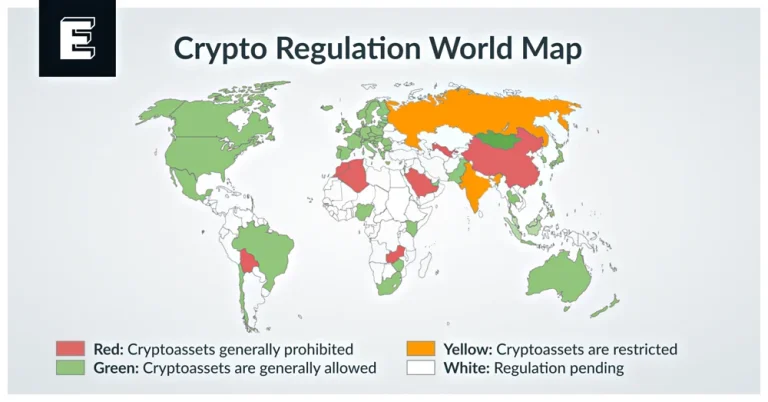
Governments are increasingly scrutinizing stablecoins. The US has proposed legislation requiring stablecoin issuers to be regulated banks. In the EU, MiCA regulations impose strict requirements. BUSD was effectively shut down by New York regulators in 2023. Regulatory changes could disrupt the entire stablecoin market.
3. Bank Runs
If confidence in a stablecoin breaks, a bank run can happen. Everyone rushes to redeem at once, and if the issuer doesn’t have liquid reserves, the system collapses. This is exactly what happened with algorithmic stablecoins and is a risk for fiat-backed ones too.
4. De-pegging Events
Even major stablecoins occasionally lose their peg temporarily. USDT has dropped to $0.95 during market stress, though it usually recovers. In March 2023, USDC briefly de-pegged to $0.87 when its issuer, Circle, revealed exposure to the failed Silicon Valley Bank.
The Future of Stablecoins
Stablecoins are here to stay, but their form will evolve:
- Regulated Stablecoins: Expect more regulation, with compliant stablecoins (like USDC) gaining market share over less transparent ones.
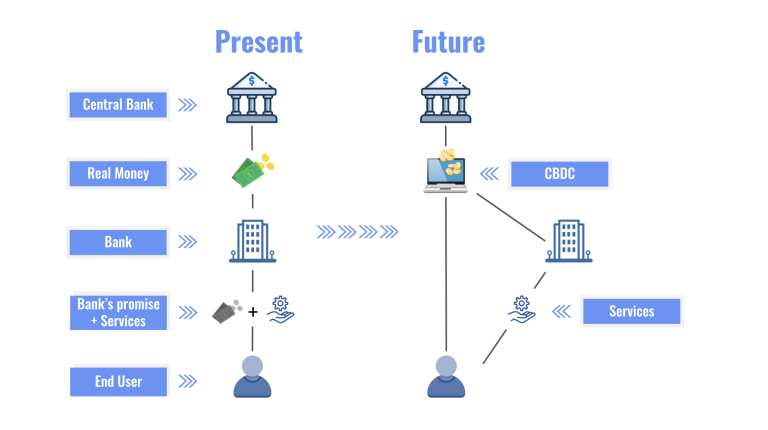
- Central Bank Digital Currencies (CBDCs): Governments are developing their own digital currencies. These are essentially state-issued stablecoins, though they won’t be decentralized.
- Yield-Bearing Stablecoins: Some projects are exploring stablecoins that automatically pay interest (from treasury yields) to holders, though regulatory hurdles remain.
- Cross-Chain Stablecoins: As blockchain interoperability improves, stablecoins that can move seamlessly between networks will become more important.
Conclusion
Stablecoins are the unsung heroes of the cryptocurrency ecosystem. While Bitcoin and Ethereum get the headlines, stablecoins provide the stability and utility that make the entire system functional. They serve as trading pairs, DeFi fuel, and a lifeline for people in unstable economies.
However, not all stablecoins are created equal. Fiat-backed coins offer simplicity but require trust. Crypto-backed coins are decentralized but capital-intensive. Algorithmic coins have proven dangerously fragile. Understanding these differences is essential for anyone using or investing in crypto.
As the world moves toward digital money, stablecoins—in some form—will likely play a central role in bridging the gap between traditional finance and the decentralized future.
Disclaimer: This article is for informational purposes only and does not constitute financial advice. Stablecoins carry risks, including de-pegging and issuer insolvency. Always do your own research.