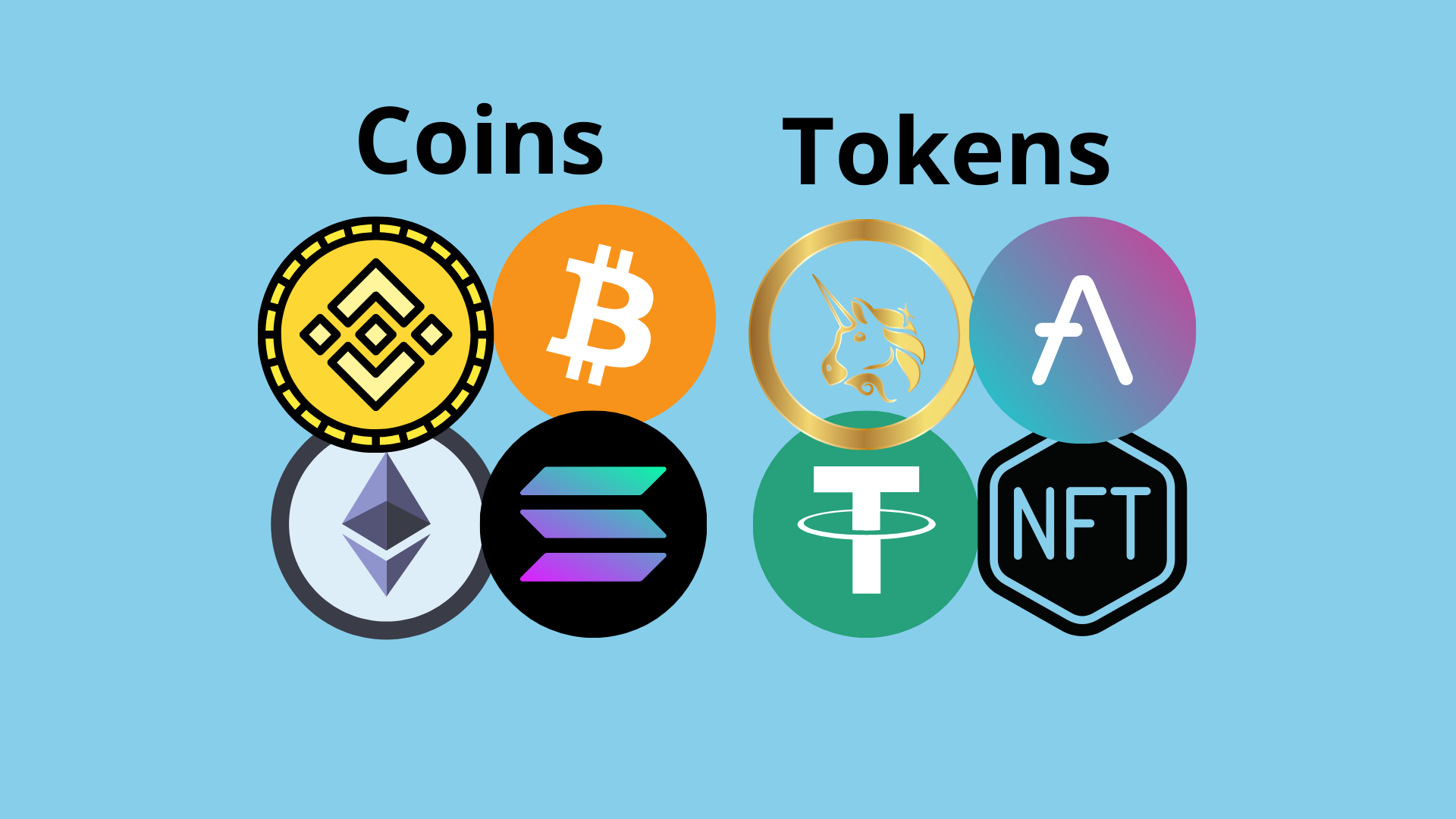
In the world of cryptocurrency, the terms “coin” and “token” are often used interchangeably. But technically, they’re not the same thing. Understanding the distinction is fundamental to grasping how the crypto ecosystem works.
Bitcoin is a coin. Ether is a coin. But UNI, USDT, and Bored Ape Yacht Club NFTs are tokens. What’s the difference? This guide explains what tokens are, how they differ from coins, the various types of tokens, and why they matter.
The Fundamental Difference: Coins vs. Tokens
The simplest way to understand the difference is this:
- A coin is the native asset of its own blockchain.
- A token is built on top of an existing blockchain.
Think of it like currency in a country. A coin is like the national currency—the US dollar, the Euro, the Japanese yen. It’s the native money of that country (blockchain). A token is like a ticket, coupon, or voucher that circulates within that country—it exists and has value, but it’s not the official national currency.

What is a Coin?
A coin (also called a “native coin” or “protocol coin”) is the primary cryptocurrency of a blockchain network. It’s essential for the network’s operation.
Key characteristics of coins:
- They have their own independent blockchain (e.g., Bitcoin’s blockchain, Ethereum’s blockchain).
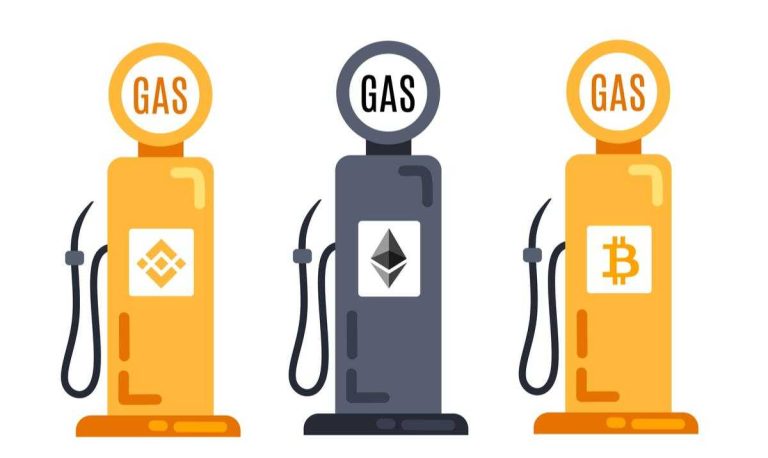
- They are used to pay for transactions on that blockchain (gas fees).
- They are often used to incentivize miners or validators to secure the network.
- They are the base unit of account for the ecosystem.
Examples of coins:
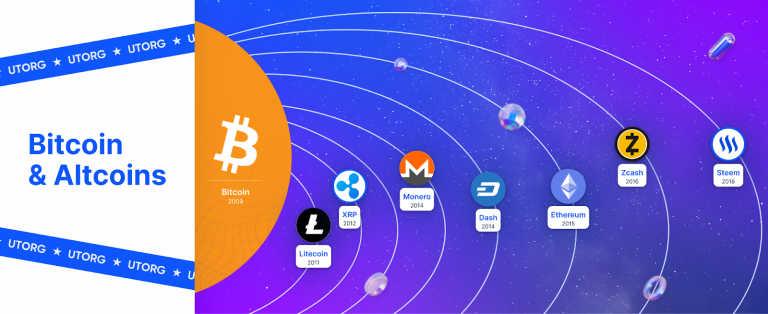
- Bitcoin (BTC): Native coin of the Bitcoin blockchain.
- Ether (ETH): Native coin of the Ethereum blockchain.
- Solana (SOL): Native coin of the Solana blockchain.
- Cardano (ADA): Native coin of the Cardano blockchain.
- XRP (XRP): Native coin of the XRP Ledger.
You need ETH to pay for transactions on Ethereum. You need SOL to pay for transactions on Solana. These are coins.
What is a Token?
A token is a cryptocurrency that doesn’t have its own blockchain. Instead, it’s built on top of an existing blockchain using smart contracts. Tokens leverage the security and infrastructure of an established blockchain while representing something of value.
Key characteristics of tokens:
- They exist on someone else’s blockchain (most commonly Ethereum, but also BNB Chain, Solana, etc.).
- They are created and managed through smart contracts.
- They can represent almost anything—assets, access rights, voting power, etc.
- They don’t power the underlying network (you don’t pay gas fees in the token itself).
Examples of tokens:
- USDT (Tether): A stablecoin token on Ethereum, Tron, and other blockchains.
- UNI (Uniswap): A governance token on Ethereum.
- LINK (Chainlink): An oracle token on Ethereum.
- SHIB (Shiba Inu): A memecoin token on Ethereum.
- Bored Ape Yacht Club NFTs: Non-fungible tokens on Ethereum.
All of these exist on top of other blockchains. They’re not the native asset of their own chain.
Technical Distinction: How Tokens Are Created
Tokens are created through smart contracts that follow specific standards. These standards ensure that tokens behave predictably and can interact with wallets, exchanges, and other applications.
On Ethereum (and compatible chains like BNB Chain, Polygon, Avalanche):
- ERC-20: The standard for fungible tokens (all tokens are identical and interchangeable). USDT, UNI, and most DeFi tokens are ERC-20 tokens.
- ERC-721: The standard for non-fungible tokens (each token is unique). CryptoPunks, Bored Apes, and most NFTs are ERC-721 tokens.
- ERC-1155: A multi-token standard that can handle both fungible and non-fungible tokens in one contract. Often used in gaming.
On Solana:
- SPL (Solana Program Library) Tokens: The equivalent of ERC-20 on Solana. Most Solana tokens (like USDC on Solana) follow the SPL standard.
- Metaplex: A standard for NFTs on Solana.
When you create a token, you’re essentially deploying a smart contract that keeps a ledger of balances. The blockchain (Ethereum, Solana, etc.) provides the security and consensus, while the smart contract defines the token’s rules.
Types of Tokens
Tokens can represent many different things. Here are the most common categories:
1. Utility Tokens
These tokens provide access to a product or service within a specific ecosystem. They are not designed as investments (though they’re often traded as such).
Examples:
- Filecoin (FIL): Used to pay for decentralized file storage.
- Basic Attention Token (BAT): Used to reward users for viewing ads in the Brave browser.
- Axie Infinity (AXS): Used for governance and in-game purchases in Axie Infinity.
Purpose: To access and pay for services within a specific platform.
2. Governance Tokens
These tokens grant holders the right to vote on decisions affecting a protocol. They’re a key part of DAOs (Decentralized Autonomous Organizations). The more tokens you hold, the more voting power you have.
Examples:
- Uniswap (UNI): UNI holders can vote on proposals to change the Uniswap protocol.
- Compound (COMP): COMP holders govern the Compound lending protocol.
- Maker (MKR): MKR holders govern the MakerDAO protocol and the DAI stablecoin.
Purpose: To decentralize decision-making and give users a say in the project’s future.
3. Security Tokens
Security tokens represent ownership in an external asset, like shares of a company, real estate, or other traditional financial instruments. They are subject to securities regulations. In many ways, they’re blockchain-based versions of stocks or bonds.
Examples:
- tZERO (TZROP): A security token representing equity in the tZERO company.
- Real estate tokens: Platforms like RealT allow investors to buy fractional ownership in properties through tokens.
Purpose: To bring traditional assets onto the blockchain for easier trading and fractional ownership.
Note: Many crypto tokens are accused of being unregistered securities by regulators like the SEC. The distinction between utility and security tokens is a major legal gray area.
4. Stablecoins
Stablecoins are tokens designed to maintain a stable value, typically pegged to a fiat currency like the US dollar. Most stablecoins (USDT, USDC, DAI) are tokens on Ethereum and other blockchains.
Purpose: To provide price stability for trading, payments, and DeFi.
5. Non-Fungible Tokens (NFTs)
NFTs are unique tokens that represent ownership of a specific item—digital art, collectibles, music, virtual land, etc. Unlike other tokens, each NFT is distinct and cannot be exchanged 1:1 with another.
Purpose: To prove ownership and authenticity of unique digital or physical assets.
6. Exchange Tokens
Many cryptocurrency exchanges issue their own tokens, usually on Ethereum or BNB Chain. These tokens often provide benefits like discounted trading fees, access to launchpad sales, and staking rewards.
Examples:
- Binance Coin (BNB): Originally an ERC-20 token on Ethereum, it later became the native coin of the BNB Chain.
- OKB (OKX): An ERC-20 token on Ethereum.
- GT (Gate.io): An ERC-20 token.
Purpose: To enhance the exchange ecosystem and reward users.
Coins vs. Tokens: A Comparison Table
| Feature | Coin | Token |
|---|---|---|
| Own Blockchain | Yes (native to its own chain) | No (built on an existing chain) |
| Purpose | Network security, gas fees, store of value | Represent assets, access, governance, etc. |
| Creation | Mined or staked (protocol level) | Created via smart contracts |
| Examples | BTC, ETH, SOL, ADA, XRP | USDT, UNI, LINK, SHIB, Bored Apes |
| Transaction Fees | Paid in the coin itself (ETH for Ethereum) | Paid in the native coin of the host chain |
Can a Token Become a Coin?
Yes, it’s possible. A token can “migrate” to become a coin if the project launches its own blockchain and moves its ecosystem. This is often called mainnet migration.
Famous examples:
- Binance Coin (BNB): Originally an ERC-20 token on Ethereum, BNB migrated to become the native coin of the BNB Chain (formerly Binance Chain).
- Matic (now POL): Originally an ERC-20 token, it became the native coin of the Polygon blockchain (though it still exists as an ERC-20 as well).
When this happens, token holders usually need to swap their old tokens for the new native coins through a migration process.
Why Does the Distinction Matter?
Understanding whether an asset is a coin or a token matters for several reasons:
1. Security and Trust
Coins are fundamental to their blockchain’s security. A successful attack on a coin’s network would be catastrophic. Tokens inherit the security of their host blockchain—they’re only as secure as the underlying chain.
2. Transaction Fees
To transfer a token, you need the native coin of that blockchain. For example, to send USDT (an ERC-20 token), you need ETH to pay gas fees. Many beginners get stuck because they try to send tokens without having the native coin for fees.
3. Regulatory Status
Regulators often treat coins (especially Bitcoin) differently from tokens. The SEC has argued that many tokens are securities, while Bitcoin and Ethereum are not. This distinction has major legal and tax implications.
4. Investment Analysis
Evaluating a coin means analyzing its blockchain’s adoption, security, and roadmap. Evaluating a token means analyzing the project built on top—its team, use case, and tokenomics—plus the underlying blockchain’s health.
Common Confusions
“I have Ethereum in my wallet, but my wallet shows ERC-20 tokens.”
Correct. Your ETH is the native coin. Other assets (like USDT) are ERC-20 tokens living on the Ethereum network alongside ETH.
“I sent USDT to my Ethereum address, but it didn’t show up.”
USDT on Ethereum is an ERC-20 token. It should show up if you sent it to the correct address. But if you sent USDT on a different network (like Tron’s TRC-20) to an Ethereum address, it’s lost.
“Is BNB a coin or a token?”
It’s both! Originally a token, it’s now the native coin of the BNB Chain. But it also exists as a token on other chains (like BNB on Ethereum is an ERC-20 token).
Conclusion
The distinction between coins and tokens is fundamental to understanding the cryptocurrency ecosystem. Coins are the native assets of their own blockchains, essential for network security and operations. Tokens are built on existing blockchains and can represent a vast array of assets and utilities.
When you interact with crypto, you’ll encounter both. Knowing the difference helps you understand transaction fees, network security, and what you’re actually owning. It’s one of those basic concepts that, once understood, makes everything else clearer.
Disclaimer: This article is for informational purposes only and does not constitute financial advice. Cryptocurrency investments carry risk. Always do your own research.