Imagine a financial world where you don’t need to ask a bank for permission to open an account, where you can lend your savings directly to borrowers and earn interest without an intermediary, and where you can trade assets instantly with anyone in the world, 24/7. This isn’t a futuristic dream—it’s happening right now, and it’s called DeFi, short for Decentralized Finance.
DeFi is one of the most transformative applications of blockchain technology. It aims to recreate and improve traditional financial systems—like banks, exchanges, and insurance companies—using decentralized technology that removes middlemen. This guide will explain what DeFi is, how it works, what you can do with it, and why it matters.
The Problem: Traditional Finance (TradFi) and Its Gatekeepers
To understand why DeFi is revolutionary, let’s look at how traditional finance works. When you interact with money, you almost always go through an intermediary:
- To send money: You use a bank or payment app like PayPal.
- To borrow money: You apply for a loan from a bank, which checks your credit score and charges interest.
- To trade stocks or crypto: You use a centralized exchange like Robinhood or Coinbase.
- To earn interest: You put your money in a savings account, and the bank lends it out, keeping most of the profit.
These intermediaries have control. They can:
- Freeze your accounts.
- Deny you services based on where you live or who you are.
- Charge high fees for their services.
- Operate only during business hours (for some services).
- Fail or get hacked, putting your funds at risk (as seen in 2008 and with bank runs).
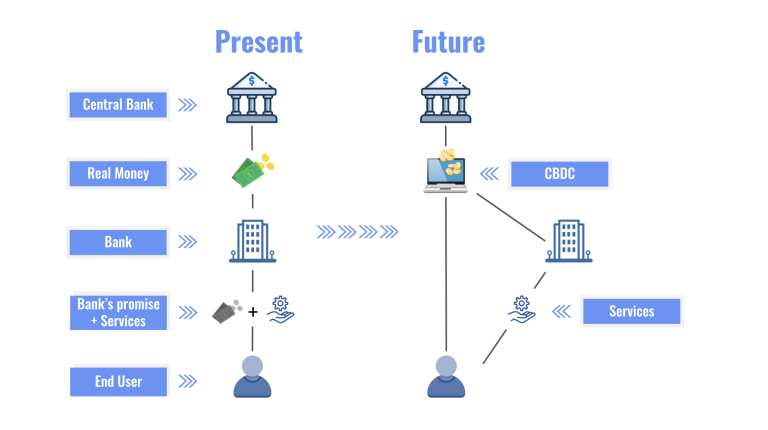
DeFi flips this model upside down. It replaces intermediaries with smart contracts—self-executing code on a blockchain (usually Ethereum) that automatically enforces agreements.

How Does DeFi Work? The Building Blocks
DeFi is not a single company or product. It’s an ecosystem of decentralized applications (dApps) built primarily on blockchain networks like Ethereum, Solana, and others. Here are the core components:
1. Smart Contracts: The Automated Middleman
Smart contracts are the heart of DeFi. They are pieces of code that automatically execute when conditions are met. For example, a smart contract for a loan might say: “If Alice deposits 10 ETH as collateral, she can borrow up to 5,000 DAI.” The code handles the entire process—no loan officer, no credit check, no paperwork.
Because smart contracts are public and immutable, anyone can inspect them to see exactly how they work. You don’t need to trust a company; you just need to trust the code.
2. Wallets: Your Gateway to DeFi
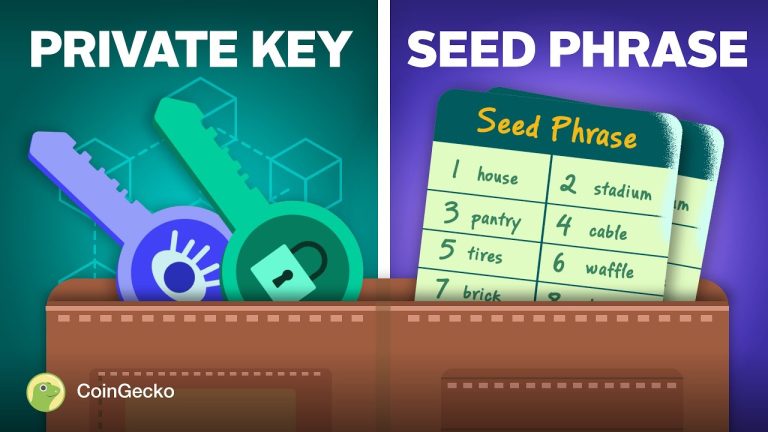
To interact with DeFi, you need a self-custodial wallet like MetaMask, Trust Wallet, or Phantom. This wallet holds your private keys and connects you to dApps. When you use a DeFi application, you’re not creating an account with a username and password. You’re simply connecting your wallet, and the dApp interacts with your wallet address.
3. Stablecoins: The Stable Unit of Account
Cryptocurrencies like Bitcoin and Ether can be volatile. To build a functional financial system, DeFi needs stable assets. That’s where stablecoins come in—tokens like USDT (Tether), USDC (USD Coin), and DAI that are pegged to the value of the US dollar. They provide the stability needed for lending, borrowing, and trading without the volatility.
4. Oracles: Bringing Real-World Data to the Blockchain
Smart contracts need information to execute. For example, a lending protocol needs to know the current price of ETH to ensure loans are properly collateralized. Oracles are services that fetch real-world data (like asset prices) and feed it to the blockchain. Chainlink is the leading decentralized oracle network.
Key DeFi Applications: What Can You Actually Do?
DeFi offers a wide range of financial services. Here are the most popular ones, along with real-world examples.
1. Lending and Borrowing (The Most Popular DeFi Use Case)
In traditional finance, you lend money to a bank (via a savings account), and they lend it to borrowers. In DeFi, you can lend your crypto directly to others through protocols like Aave and Compound.
- As a Lender: You deposit your crypto into a liquidity pool. Borrowers can borrow from that pool by putting up collateral (usually more than they borrow). You earn interest on your deposit, paid in real-time. Interest rates are determined algorithmically by supply and demand.
- As a Borrower: You can borrow a stablecoin like USDC by depositing collateral (like ETH). You must maintain a healthy collateralization ratio; if the value of your collateral drops too much, it gets liquidated (automatically sold) to repay the lenders. No credit checks, no paperwork—just code.
2. Decentralized Exchanges (DEXs)
Instead of using a centralized exchange like Bybit or Coinbase (where you deposit funds and the exchange matches buyers and sellers), DEXs allow you to trade directly from your wallet. The most popular type is an Automated Market Maker (AMM), pioneered by Uniswap.
How it works: Instead of an order book, Uniswap uses liquidity pools. Users (liquidity providers) deposit pairs of tokens (like ETH and USDC) into a pool. Traders swap one token for another directly with the pool. The price is determined by a mathematical formula based on the ratio of tokens in the pool. Liquidity providers earn fees from every trade.
3. Yield Farming and Liquidity Mining
This is one of the more advanced DeFi activities. Yield farming involves moving your crypto between different DeFi protocols to maximize returns. Liquidity mining is when protocols reward users who provide liquidity with their own governance tokens, on top of the trading fees.
For example, you might deposit ETH and USDC into a Uniswap pool, receive LP (Liquidity Provider) tokens, then stake those LP tokens on another platform to earn additional rewards. Returns can be high, but risks (like impermanent loss) are also significant.
4. Stablecoins
Stablecoins themselves are a DeFi application. DAI, created by the MakerDAO protocol, is a decentralized stablecoin. It’s not backed by a bank account full of dollars. Instead, it’s backed by crypto collateral (like ETH) locked in smart contracts. If the value of the collateral drops, the system automatically liquidates positions to keep DAI pegged to $1.
5. Derivatives and Synthetic Assets
DeFi also enables trading of more complex financial instruments. Platforms like Synthetix allow users to create and trade “synths”—tokens that track the price of real-world assets like gold, stocks, or other cryptocurrencies, without owning the underlying asset.
The Advantages of DeFi
- Permissionless: Anyone with an internet connection and a wallet can use DeFi protocols. There’s no application, no ID verification (KYC), and no gatekeeper. This is a lifeline for the billions of people worldwide who are unbanked or underbanked.
- Non-Custodial: You always control your funds. You don’t deposit your crypto with a bank or exchange. You interact with smart contracts directly from your wallet. (“Not your keys, not your coins” applies fully.)
- Transparent: All transactions are on the blockchain, visible to anyone. Protocol code is open-source and can be audited by anyone. This transparency builds trust through verification, not blind faith.
- Interoperable: DeFi protocols are like Lego bricks. Developers can combine them to create new, complex applications. This composability leads to rapid innovation.
- Global and Always Open: DeFi markets never close. You can trade, lend, or borrow 24/7/365, anywhere in the world.
The Risks of DeFi (Important!)
DeFi is not without significant risks. It’s still a young and experimental space. Before participating, you must understand these dangers:
1. Smart Contract Risk
Smart contracts are code, and code can have bugs or vulnerabilities. Hackers have exploited flaws in DeFi protocols to steal billions of dollars. Even audited protocols can have undiscovered vulnerabilities. The rule is: don’t invest more than you can afford to lose.
2. Impermanent Loss
When you provide liquidity to an AMM like Uniswap, you risk impermanent loss. If the price of your deposited tokens changes significantly compared to when you deposited them, you could end up with less value than if you had just held the tokens. It’s called “impermanent” because the loss disappears if prices return to the original ratio—but that doesn’t always happen.
3. Liquidation Risk
If you borrow in DeFi, you must maintain a healthy collateralization ratio. If the value of your collateral drops suddenly (a “flash crash”), your position could be liquidated, meaning you lose your collateral. This can happen automatically, with no warning.
4. Regulatory Risk
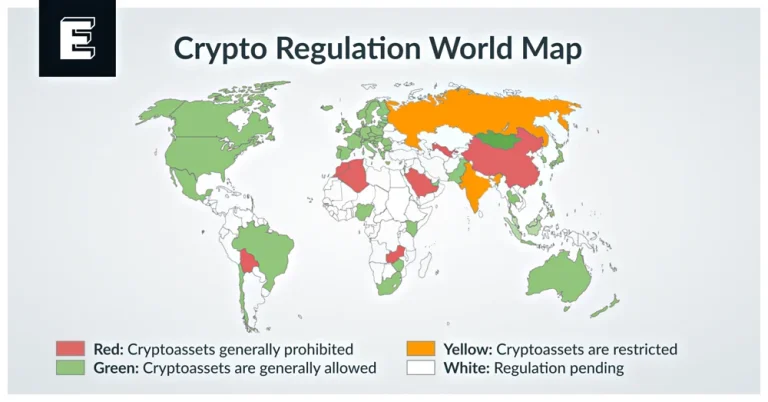
Governments are still figuring out how to regulate DeFi. Future regulations could restrict access, impose taxes, or even ban certain activities. The permissionless nature of DeFi makes it hard to regulate, but it’s a looming uncertainty.
5. User Error
In DeFi, you are your own bank. If you send funds to the wrong address, lose your private keys, or fall for a phishing scam, there’s no customer support to call. Your funds are gone forever.
6. Rug Pulls and Scams
Because anyone can create a DeFi protocol, scammers often create fake projects, attract liquidity, and then disappear with the funds (a “rug pull”). Always research projects thoroughly before participating.
DeFi vs. Traditional Finance (CeFi vs. DeFi)
| Feature | DeFi | Traditional Finance (TradFi) |
|---|---|---|
| Custody | You control your funds | Bank/exchange controls funds |
| Access | Anyone with internet | Requires approval, ID, credit check |
| Transparency | Public and auditable | Opaque, private |
| Hours | 24/7/365 | Business hours, holidays |
| Counterparty | Smart contract code | The institution itself |
| Speed (International) | Minutes or seconds | Days |
The Future of DeFi
DeFi is still in its early stages. Total Value Locked (TVL)—the amount of crypto deposited in DeFi protocols—has grown from near zero in 2018 to tens of billions today, despite market cycles. Key trends to watch include:
- Layer 2 Integration: High gas fees on Ethereum have pushed DeFi activity to Layer 2 solutions (Arbitrum, Optimism, Polygon) which offer faster and cheaper transactions.
- Institutional Involvement: Traditional financial institutions are beginning to explore DeFi, though regulatory clarity is needed for mass adoption.
- Cross-Chain Interoperability: Protocols that can operate seamlessly across multiple blockchains (like Chainlink’s CCIP) will become increasingly important.
- Improved User Experience: DeFi interfaces are becoming more user-friendly, lowering the barrier to entry for non-technical users.
Conclusion
DeFi represents a fundamental shift in how financial services can be built and accessed. By replacing intermediaries with smart contracts, it offers a more open, transparent, and permissionless alternative to traditional finance. From lending and borrowing to trading and earning yield, the possibilities are vast and growing.
However, with great opportunity comes great risk. Smart contract vulnerabilities, market volatility, and user error are real dangers. DeFi is not for everyone, and it certainly isn’t “get rich quick” scheme. But for those willing to learn and proceed cautiously, it offers a fascinating glimpse into the future of money.
Disclaimer: This article is for informational purposes only and does not constitute financial advice. DeFi involves significant risks. Always do your own research and never invest more than you can afford to lose.