The internet has changed dramatically since its inception. What started as static web pages has evolved into the interactive, social, and centralized platforms we use today. Now, a new vision is emerging—one where the internet is owned by its users, not by corporations. This vision is called Web3 (also known as Web 3.0).
Web3 is more than just a buzzword. It represents a fundamental shift in how we think about data, ownership, and power online. This guide explains what Web3 is, how it differs from what came before, and why it matters for the future of the internet.
The Evolution of the Web: From Read to Read-Write to Own
To understand Web3, it helps to look at the two previous eras of the internet.
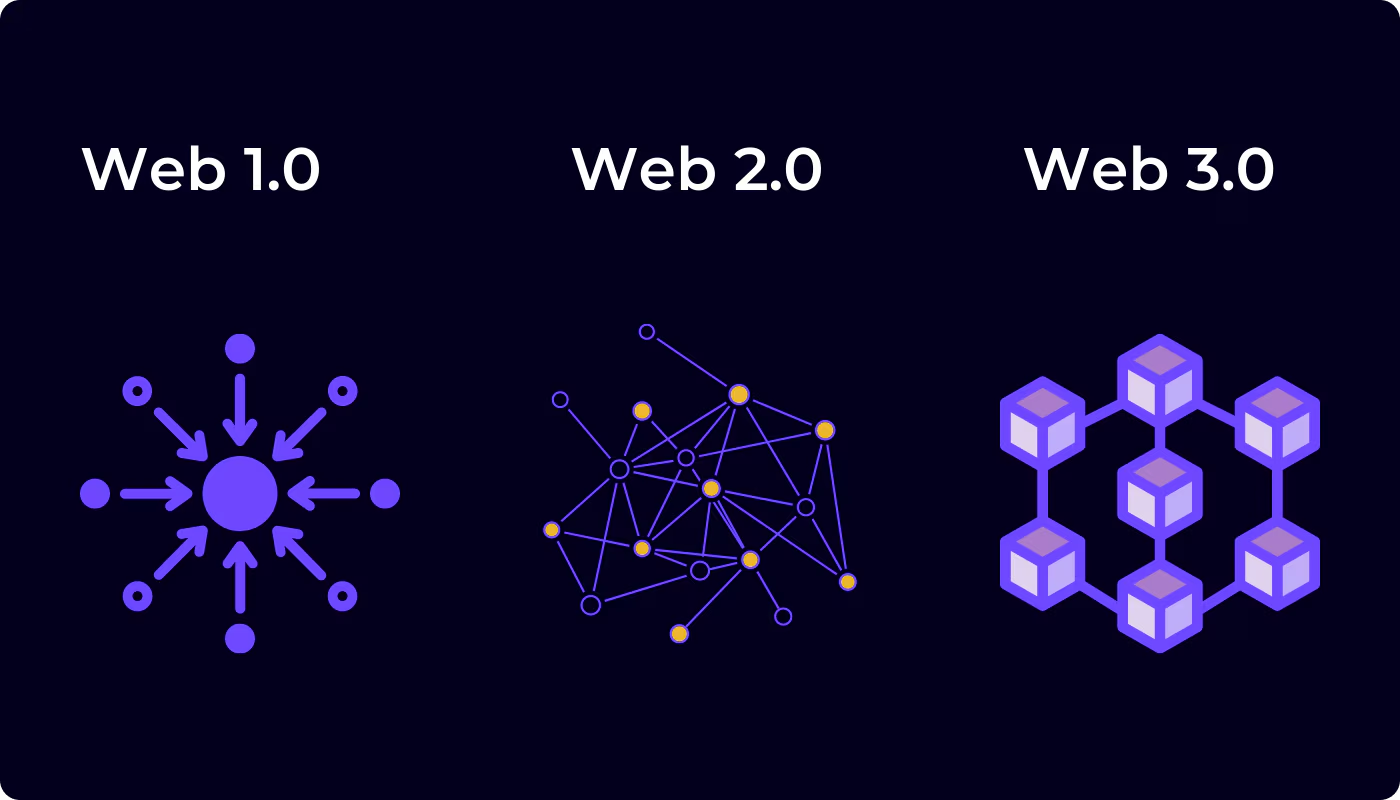
Web 1.0: The Read-Only Web (1990s – Early 2000s)
The first version of the internet consisted of static web pages. You could read information, but you couldn’t interact with it much. There were no social media accounts, no comments sections, no user-generated content. Websites were like digital brochures. Users were consumers of content, not creators.
Examples: GeoCities, early Amazon, AOL, static HTML pages.
Web 2.0: The Read-Write Web (Mid-2000s – Present)
Web 2.0 brought interactivity. You could create content, comment on posts, upload photos, and connect with friends. This era was defined by social media platforms, user-generated content, and mobile apps. But it came with a trade-off: users became the product. Companies like Google, Facebook, and Twitter built massive platforms where users created content, but the platforms owned the data and monetized it.
Examples: Facebook, YouTube, Twitter, Instagram, TikTok.
In Web 2.0, if you want to use a platform, you agree to its terms. Your data lives on their servers. They can delete your account, censor your content, or change the rules at any time. You don’t truly own your digital identity or your creations.

What is Web3? The Read-Write-Own Web
Web3 is the next evolution: a read-write-own web. It envisions an internet where users own their data, their identity, and their digital assets. Instead of centralized platforms controlling everything, Web3 is built on decentralized technologies like blockchain, cryptocurrencies, and smart contracts.
In Web3, you don’t need to “sign up” for a platform with an email and password. You connect with a cryptocurrency wallet that serves as your digital identity. Your data isn’t stored on a company’s server—it’s stored on a decentralized network that no single entity controls. And when you create something, you truly own it, often represented as an NFT or another blockchain-based asset.
Core Principles of Web3
While Web3 is still evolving, several core principles define the vision:
1. Decentralization
Instead of centralized servers owned by corporations, Web3 applications run on decentralized networks (blockchains) and peer-to-peer infrastructure. No single point of control means no single point of failure or censorship.
2. Ownership
In Web3, you own your assets—whether that’s cryptocurrency, digital art, in-game items, or even your social media content. Ownership is verified on the blockchain and controlled by your private keys. No platform can take it away.
3. Permissionless
Anyone can participate in Web3. You don’t need approval from a corporation to use an application, create content, or contribute to a protocol. If you have an internet connection and a wallet, you’re in.
4. Native Payments
Web3 uses cryptocurrencies for native, built-in payments. You can send money to anyone in the world instantly, with minimal fees, without needing a bank. This enables new economic models like microtransactions and creator payments.
5. Trustless and Verifiable
You don’t need to trust a company to do the right thing. You can verify the rules of a Web3 application (encoded in smart contracts) and verify transactions on the blockchain. Trust is replaced by cryptographic proof.
6. Identity
Instead of logging in with Google or Facebook, Web3 uses self-sovereign identity. You control your digital identity, often through a wallet address or an ENS domain (like “yourname.eth”), and you choose what data to share.
Key Components of Web3
Web3 isn’t a single technology—it’s an ecosystem of interconnected technologies and concepts.
1. Blockchain
The foundation of Web3. Blockchains like Ethereum, Solana, and Polkadot provide the decentralized infrastructure where applications run and data is stored.
2. Cryptocurrencies
Native digital currencies (ETH, SOL, etc.) fuel the Web3 economy, used for transactions, governance, and incentives.
3. Smart Contracts
Self-executing code that powers decentralized applications. They automate processes and enforce rules without intermediaries.
4. dApps (Decentralized Applications)
Applications built on blockchain networks. Unlike traditional apps, dApps aren’t controlled by a central entity. Examples include Uniswap (DeFi), OpenSea (NFT marketplace), and Axie Infinity (gaming).
5. DAOs (Decentralized Autonomous Organizations)
Community-governed organizations run by smart contracts and token voting. DAOs make decisions collectively, with no central leadership. They manage treasuries, govern protocols, and coordinate communities.
6. NFTs (Non-Fungible Tokens)
Unique tokens representing ownership of digital or physical assets. In Web3, NFTs can represent anything from art and music to in-game items and real-world property.
7. DeFi (Decentralized Finance)
Financial services built on blockchain—lending, borrowing, trading—without banks. DeFi is the economic layer of Web3.
8. Crypto Wallets
Tools like MetaMask, Phantom, and WalletConnect that let users interact with Web3 applications, manage their identity, and control their assets.
Web3 vs. Web2: A Side-by-Side Comparison
| Aspect | Web 2.0 (Centralized) | Web3 (Decentralized) |
|---|---|---|
| Identity | Email + password (platform-controlled) | Self-sovereign (wallet address, private keys) |
| Data Storage | Company servers (centralized) | Decentralized networks (IPFS, blockchain) |
| Ownership | Platform owns user data and content | Users own their data and assets |
| Payments | Banks, credit cards (intermediaries) | Native crypto payments (peer-to-peer) |
| Censorship | Platforms can censor, de-platform, ban | Resistant to censorship (no central control) |
| Governance | Company executives, shareholders | Community (DAOs, token holders) |
| Business Model | Sell user data, advertising | Token-based economics, fees, services |
Real-World Examples of Web3 Applications
Web3 isn’t just theory. Thousands of applications are already live, used by millions of people.
Social Media
- Lens Protocol: A decentralized social graph where users own their profile, content, and connections. Applications built on Lens (like Lenster) let you take your social network with you.
- Farcaster: A sufficiently decentralized social network where users control their data.
- Mastodon (ActivityPub): While not blockchain-based, it represents the federated, user-controlled approach that aligns with Web3 values.
Finance (DeFi)
- Uniswap: Decentralized exchange where users trade tokens directly from their wallets.
- Aave: Lending and borrowing protocol with billions in deposits.
- MakerDAO: Create the DAI stablecoin by depositing collateral.
Gaming and Metaverse
- Decentraland: Virtual world where users own land as NFTs and build experiences.
- The Sandbox: User-generated gaming platform with owned assets.
- Axie Infinity: Play-to-earn game where players own their creatures and items.
Storage and Computing
- IPFS (InterPlanetary File System): Decentralized storage protocol for hosting content.
- Filecoin: A marketplace for decentralized storage, incentivizing users to share hard drive space.
- Arweave: “Permanent” storage, ideal for preserving data forever.
Identity and Naming
- ENS (Ethereum Name Service): Domain names like “vitalik.eth” that replace complex wallet addresses.
- Ceramic Network: Decentralized data streams for identity and user profiles.
The Metaverse and Web3
You’ve probably heard the term “metaverse.” It’s often confused with Web3, but they’re related concepts:
- Web3 is the broader vision for a decentralized internet.
- The Metaverse is a vision for immersive, 3D virtual worlds where people work, play, and socialize.
In the Web3 vision, the metaverse would be built on open, decentralized standards. You’d own your avatar, your land, and your items as NFTs, and you could move them between different worlds. This contrasts with the corporate vision of the metaverse (like Meta’s Horizon Worlds), where a single company controls everything.
Criticisms and Challenges
Web3 isn’t without its skeptics and real challenges.
1. Scalability
Blockchains are slower than centralized databases. While Layer 2 solutions and newer blockchains are improving throughput, Web3 applications still can’t match the performance of Web2 giants like Twitter or Instagram.
2. User Experience
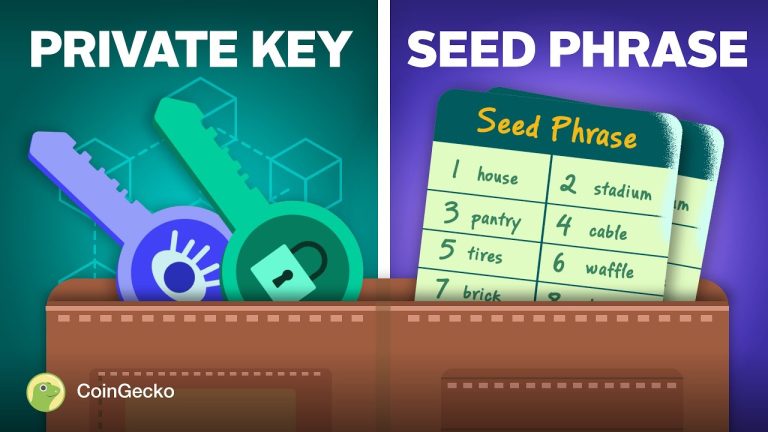
Managing private keys, seed phrases, and gas fees is confusing for mainstream users. Web3 needs much better onboarding and UX before mass adoption is possible.
3. Centralization in Practice
Despite the ideals, some Web3 projects are quite centralized. A small team often holds most governance tokens, and infrastructure often relies on centralized providers. True decentralization is hard to achieve.
4. Environmental Concerns (Legacy)
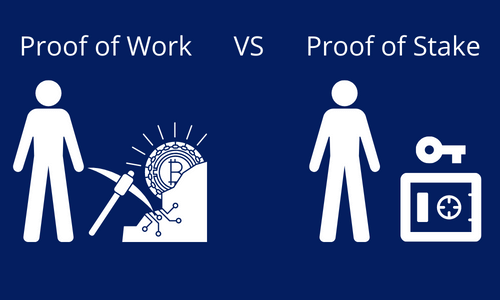
Proof-of-Work blockchains (like Bitcoin) consume significant energy. However, most Web3 platforms (Ethereum post-Merge, Solana, etc.) now use Proof-of-Stake, which is energy-efficient.
5. Regulation
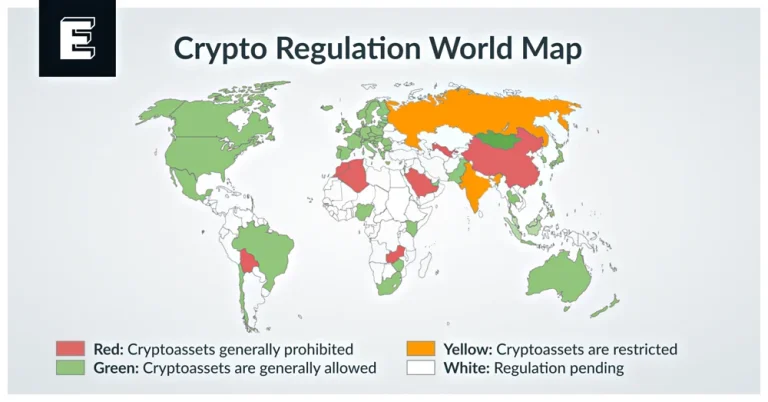
Governments are still figuring out how to regulate Web3. Securities laws, tax reporting, and KYC requirements could shape—or stifle—the ecosystem.
6. Scams and Hype
The Web3 space is filled with scams, rug pulls, and projects that are all hype with no substance. Separating legitimate innovation from grifts is challenging.
The Future of Web3
Where is Web3 headed? Here are some trends to watch:
- Mainstream Adoption: As UX improves and major brands enter (Nike, Starbucks, Adidas have all launched Web3 initiatives), more people will interact with Web3 without even knowing it.
- Interoperability: The ability to move assets and identity seamlessly between different blockchains and applications will become increasingly important.
- Regulatory Clarity: Clearer rules could either legitimize Web3 or constrain it. The outcome is uncertain.
- Integration with AI: AI agents could use Web3 to transact, own assets, and interact with smart contracts autonomously.
- Mobile-First Web3: With wallets and dApps optimized for mobile, the next billion users may onboard via smartphones.
Conclusion
Web3 is a vision for an internet that returns power to users. Instead of trusting corporations with our data and digital lives, we can own and control our online presence through decentralized technology. It’s a shift from “read-write” to “read-write-own.”
The journey is far from complete. Web3 faces technical hurdles, regulatory uncertainty, and growing pains. But the core idea—that users should own their digital existence—is powerful. Whether Web3 fully realizes its vision or evolves in unexpected ways, it’s already changing how we think about the internet’s future.
Disclaimer: This article is for informational purposes only and does not constitute financial advice. The Web3 space involves significant risk. Always do your own research.